macOS 27 drops Intel Mac support, requires Apple Silicon
▼ Summary
– macOS 27 Golden Gate will require Apple Silicon, ending support for all Intel Macs.
– Intel Macs on macOS 26 Tahoe will get security and Safari patches for about two more years after the release.
– Apple Silicon Macs can run Intel apps via Rosetta 2 in macOS 27, but future releases will limit this technology.
– The change has been expected, with each new macOS release dropping more Intel Mac models.
– Owners of late-model Intel Macs from 2019-2020 could still run the latest OS, and tools like OpenCore Legacy Patcher extend support for unsupported hardware.
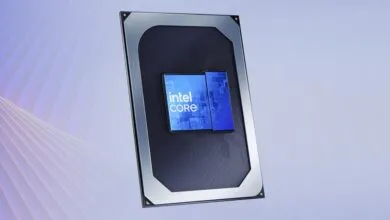
Apple’s long-anticipated transition away from Intel-based Macs is now official. The upcoming macOS 27 Golden Gate release will require Apple Silicon, ending support for all Intel Macs. This shift, first announced last year, means that only Macs equipped with an M-series chip, including the original M1 found in the 2020 MacBook Air, MacBook Pro, and Mac mini, will be compatible.
For those still using Intel-powered machines, the road ahead is clear but finite. Macs currently running macOS 26 Tahoe can expect approximately two more years of security updates and Safari patches following the launch of macOS 27 Golden Gate. Meanwhile, systems on macOS 15 Sequoia will receive just one additional year of support. While Apple Silicon Macs will retain the ability to run Intel-based applications through the Rosetta 2 compatibility layer in macOS 27, future updates will gradually phase out this feature. Apple has indicated that Rosetta 2 will primarily remain available to support older games reliant on Intel code.
This milestone has been building for years, with each successive macOS version leaving a growing list of Intel Macs behind. However, owners of late-model Intel machines purchased in 2019 and 2020 could still run the latest operating system, and tools like the OpenCore Legacy Patcher allowed more technically inclined users to extend the life of unsupported hardware. Now, the era of Intel on the Mac has truly come to an end.
(Source: Ars Technica)