Xbox CEO: Exclusives still key to defining our platform

▼ Summary
– Asha Sharma states Xbox must balance reaching large audiences as a top publisher with offering exclusive content to build its platform.
– She says the decision on exclusivity will be made on a per-title basis, learning from industry cases.
– Making a major franchise like Call of Duty exclusive is deemed impractical due to potential billions in lost revenue.
– Sharma argues that to be a successful platform, Xbox needs exclusive content and services, not just services like Game Pass.
– The article suggests that exclusive games, like Fable, are necessary to drive hardware sales and create a distinct brand identity, unlike the current strategy of releasing games on PlayStation.
The relationship between exclusivity and Xbox has always been as inseparable as peanut butter and jelly. Since Asha Sharma took the helm as CEO of the rebranded Xbox, the topic of exclusive games has dominated conversations around the brand. Any comment from her or the Xbox team on this subject immediately ignites the gaming community like a wildfire.
During a recent appearance on the Bloomberg Tech stream, Sharma faced the inevitable question about Xbox exclusives. Her response was measured: “It’s a tough topic. Look, we’re the number two publisher in the world, and in order to be a great publisher, you must have your games reach large audiences to play. At the same time, we’re increasingly becoming a platform, and in order to become a platform, you must have exclusive content and services.”
She continued, “And so, we’re looking at that very closely. I think that we have to be very thoughtful about each title, on how we want to think about it, and learn from some similar cases in the industry, and that’s what we’re doing.”
Some online have dismissed this as a meaningless statement, while others treat it as a rallying cry for a return to full exclusivity. The reality, as always, lies somewhere in the corporate middle ground.
Reading between the lines, Sharma is navigating a delicate balancing act. On one front, she must fuel the profit engine built by Amy Hood, which targets those elusive 30% margins. Yet Sharma explicitly stated that this isn’t her burden: “So my mandate is not 30% accountability margins.. It’s to be the number one gaming and entertainment company, and that’s what we’re going to go do.” A welcome relief for many.
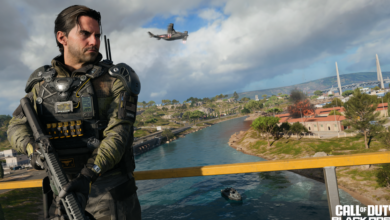
Still, being the second-largest publisher globally means you can’t just create games; you have to sell them profitably. Making a behemoth like Call of Duty exclusive would be akin to burning cash. That franchise moves between 15 and 30 million copies annually. Halving that number could lead to more studio closures, given the massive development and acquisition costs. Unless Xbox is willing to absorb a potential $2 billion annual loss, such a move is unthinkable.
Why exclusives still hold value
Despite my personal discomfort with exclusivity, the logic remains intact. Last year, I described Xbox consoles as glorified Game Pass machines. Then Game Pass prices skyrocketed, and Xbox seemed directionless. Thankfully, those price hikes were reversed.
Sharma’s own words are telling: “We’re increasingly becoming a platform, and in order to become a platform, you must have exclusive content and services.” She specifically mentions both content and services, not just services. This implies that exclusive games are as crucial as exclusive features like Game Pass.
Imagine if Fable were genuinely exclusive to Xbox. Suddenly, there’s a compelling reason to buy the green console, regardless of pro-consumer sentiment. Nintendo and Sony boast loyal fanbases precisely because they offer games unavailable elsewhere.
I don’t expect Fable to become exclusive, as it’s already announced for PlayStation. But future titles could revert to some form of exclusivity. To sell hardware, which Xbox has struggled with recently, you need exclusive content that justifies the purchase. Would Apple TV, Paramount, or Netflix thrive if they shared all their shows? Do you subscribe to multiple streaming services for varied content, or just one for its exclusives?
Consider this: Xbox console sales rose 15% in the UK while PlayStation dropped 50%. The reason? Forza Horizon 6. Even if that game eventually lands on PlayStation, its timed exclusivity still drives hardware sales. Imagine if Netflix owned everything, and Disney Plus and Amazon Prime launched their content there too. Would you still subscribe to anyone else?
Building a platform means offering something unique. Features like instant resume or Xbox Live matter, but a console that can play God of War, Wolverine, Death Stranding 2 at launch, Fable, and Forza Horizon 6 is a powerful proposition. Only one console can deliver that combination.
The real issue for Xbox, in my view, is that we spent years waiting for exclusive games to materialize. Every year was billed as “Xbox’s moment,” but when the content finally arrived, they fumbled by launching it elsewhere. Consequently, we’ve seen consistent hardware declines and an Xbox without a clear gaming identity. When you think of a Sony or Nintendo game, a specific image comes to mind. What about Xbox? Now ask yourself: is that game still exclusive, or can you play it on PlayStation now or in the future?
I rest my case.
(Source: Windows Central)