Airbnb-backed WeRoad lands $58M to expand group travel platform to US
▼ Summary
– WeRoad raised $58 million in Series C funding led by Airbnb, bringing total capital to $100 million, to expand outside Europe starting in Austin, Texas.
– The company targets the “IRL economy” by designing group travel for younger travelers around shared interests and age groups to foster real-world connections.
– WeRoad uses “group leaders” rather than traditional guides, focusing on soft skills to help strangers bond, and structures itineraries with early social activities to break the ice.
– The startup launched WeMeet in 2025, an app for local in-person gatherings, which had over 50,000 attendees across 35 cities and will support U.S. expansion.
– WeRoad generated €130 million in revenue in 2025, a 30% year-over-year increase, and has organized travel for over 300,000 customers since 2017.
Airbnb has led a $58 million Series C funding round for WeRoad, the Milan-based group travel startup, as the company prepares to make its first major push beyond Europe. The investment, which brings WeRoad’s total funding to roughly $100 million, will fuel an expansion into the United States starting with Austin, Texas.
This bet signals a shift in how investors view the future of travel. Rather than building another booking engine, WeRoad is positioning itself as a social platform for real-world connection. That focus has become especially timely as loneliness, particularly among younger adults, emerges as both a public health crisis and a market opportunity. While much of the tech world chases AI, WeRoad is leaning into the “IRL economy”,a growing category of startups monetizing offline interaction. Rivals like Timeleft, 222, and Pie are pursuing similar models through dinners, clubs, and community events.
The founders,Paolo De Nadai, Fabio Bin, and Erika De Santi,built the company out of their own need for connection. “It started from a very personal need. When you finish college and start working, it becomes harder to find people to travel with,” De Nadai told TechCrunch. “My cofounder Fabio and I both tried companies offering similar group travel experiences for solo travellers, but while the trips were good, something was missing. The guides were professional local experts, and the groups were mixed in age, and people didn’t really see eye to eye. People were traveling together, but not really connecting.”
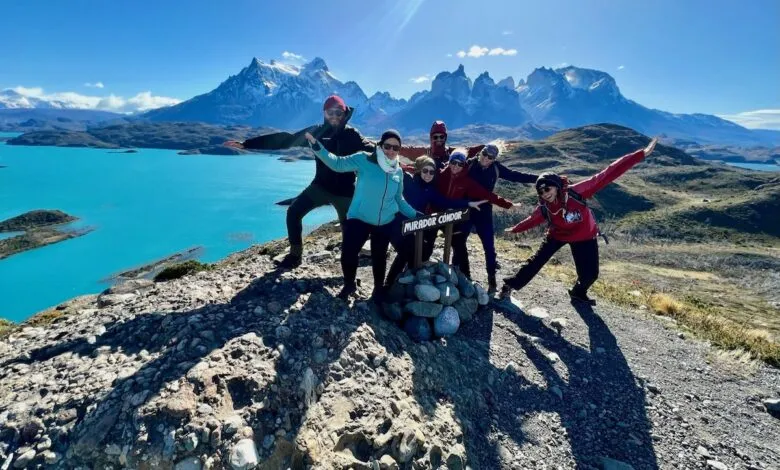
Their solution was to redesign group travel around shared interests rather than just destinations. WeRoad trips cater to Millennials and Gen Z, grouping travelers by age and travel style,whether that’s a beach vacation or a ski trip. Before departure, participants join a WhatsApp group managed by a leader, allowing them to get acquainted early. Groups typically range from eight to 15 people.
“The biggest concern people have is rarely the destination,” De Nadai said. Instead, they worry about not clicking with the group. To address this, WeRoad structures itineraries to prioritize social bonding early on, scheduling adventurous or collaborative activities first to break the ice. Most trips last 10 to 12 days, though the company now offers shorter weekend formats for first-timers. About 60% of travelers book another trip.
Instead of traditional tour guides, WeRoad employs “group leaders”,coordinators close in age to travelers who act more like companions than experts. The company now works with more than 4,000 group leaders globally. “We’re not looking for destination experts, but for people with travel experience and strong soft skills. Can they lead a group, handle tension, adapt when plans change, and help strangers connect?” De Nadai said.
WeRoad has also expanded beyond travel. In 2025, it launched WeMeet, an app for local in-person gatherings such as dinners, hikes, yoga, running groups, after-work drinks, and board game nights. More than 50,000 people attended WeMeet events across 35 cities last year, and the app reached 150,000 downloads. The company plans to use WeMeet as a springboard for its U. S. entry, focusing on a few cities at a time. Austin will be first, where WeRoad will recruit group leaders, host events, and build community partnerships before expanding.
“We’ll be launching WeMeet events across multiple U. S. cities throughout 2026, starting with Austin because of its incredible energy and vibrant community scene,” De Nadai said.
Whether companies can build lasting businesses around loneliness and social connection remains an open question, but investors are increasingly betting the demand is real. WeRoad generated €130 million in revenue in 2025, up 30% year over year, and took more than 100,000 travelers on trips last year. Since its 2017 launch, the company says it has organized travel for over 300,000 customers across more than 1,000 itineraries worldwide.
(Source: TechCrunch)