AI transforms connected cars into pothole detectors
▼ Summary
– Samsara’s “Ground Intelligence” uses AI trained on camera data from its millions of commercial trucks to detect potholes and track their deterioration over time.
– The company claims its vast fleet provides more data and repeat location coverage than smaller fleets like Waymo’s robotaxis.
– Cities can use the dashboard to see proactive warnings on a map and pull anonymized footage to confirm reports of infrastructure issues like downed signs or clogged sewers.
– The system aims to shift city maintenance from reactive responses to proactive planning, allowing crews to fix multiple potholes in one sweep.
– Samsara also announced two additional products: Waste Intelligence for confirming trash pickup and ridership management for buses and school transportation.
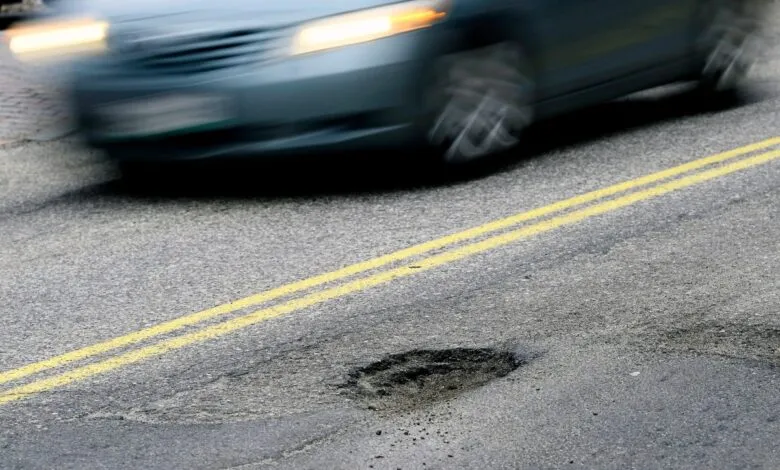
Potholes have long been a source of frustration for drivers, cyclists, and municipal planners alike. Scooter company Lime even listed them as an official business risk in its recent IPO filing, underscoring just how pervasive and costly the problem has become. While technology has repeatedly promised to solve or at least mitigate pothole damage, the issue persists. However, as vehicles become equipped with ever more sophisticated sensors, they are transforming into a powerful tool for cities to detect and address road hazards and other infrastructure issues in real time.
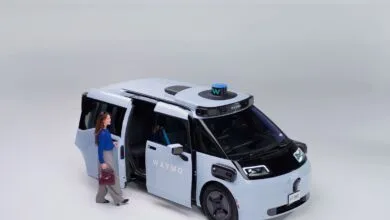
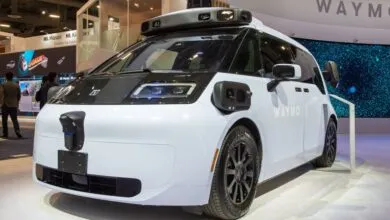
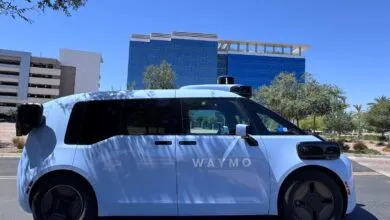
Last month, Waymo and Waze launched a pilot program to share pothole data with local governments. Now, fleet management company Samsara is taking that concept a step further with its own AI-driven solution called Ground Intelligence. Over the past decade, Samsara has equipped millions of trucks with cameras for driver monitoring, theft prevention, and liability management. The San Francisco-based company has leveraged that vast trove of data to train a proprietary model capable of identifying various pothole types and assessing how quickly they are deteriorating.
The key advantage, according to Samsara, is scale. While Waymo’s robotaxi fleet numbers only about 3,000 vehicles, Samsara’s cameras are already installed in far more commercial trucks and vans. Even as autonomous fleets expand, Samsara argues it can collect more data, and crucially, repeated observations from the same locations, allowing cities to track how potholes evolve over time.
Samsara believes this data holds significant value for municipalities. On Tuesday, the company announced it has multiple cities under contract, with Chicago signing on as a new customer. Ground Intelligence is expected to be the first of many data-driven insights Samsara plans to offer. Future features could include detecting graffiti, broken guardrails, low-hanging power lines, or “anything that we can observe that has relevance to a city, or also to the private sector,” said Johan Land, Samsara’s senior vice president of product.
Traditionally, Land explained, cities must either dispatch workers or wade through hundreds of 311 calls to identify infrastructure problems. That process generates a lot of noise. Samsara’s pitch is that it can deliver clear signals quickly, thanks to the sheer volume of commercial vehicles already using its cameras. Ground Intelligence functions as a dashboard, proactively populating a map with warnings about developing potholes and other potential issues. It also allows cities to pull anonymized footage from vehicle cameras to verify citizen reports of downed street signs, clogged sewers, or other public infrastructure problems.
“That’s the magic here, it takes a process that was reactive and makes it proactive,” Land said. “That means that you don’t just go and fix one pothole. You plan it out: ‘I know where all the potholes are in this area. I go out and I fix one by one, in one sweep.’”
Samsara is also exploring other ways to leverage this moving municipal surveillance network. On Tuesday, it introduced Waste Intelligence, a tool that helps waste management companies quickly confirm whether customers’ trash or recycling was collected. The company also announced a ridership management offering, which can alert bus drivers to “unexpected boarding events” or create a digital manifest for school buses.
(Source: TechCrunch)