Why Taylor Swift Is Moving to Trademark Her Likeness
▼ Summary
– Taylor Swift filed three trademark applications to protect her image and voice, covering a photo of her holding a pink guitar and the phrases “Hey, it’s Taylor Swift” and “Hey, it’s Taylor.”
– AI deepfakes are spreading on social media, with celebrities facing risks of explicit fakes and false endorsements, while an Ohio man was the first convicted under a new federal law against intimate visual deceptions.
– A Copyleaks report found sponsored TikTok ads using deepfakes of Swift, Kim Kardashian, and Rihanna to promote potentially fraudulent services, with realistic voices and textured filters masking AI flaws.
– The fake ads show celebrities in interview settings promoting a supposed “TikTok Pay” rewards program, leading users to a third-party site that collects personal information.
– Scam ads using celebrity deepfakes are common, with the Consumer Federation of America suing Meta over scam ad proliferation and the FTC reporting rising social media scams and financial losses.
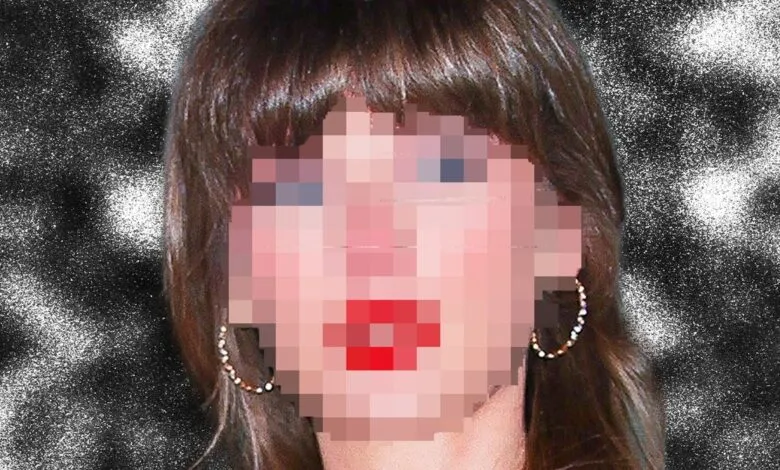
Last week, Taylor Swift filed three trademark applications aimed at protecting her image and voice from unauthorized use. One application covers a well-known photograph of the pop star holding a pink guitar during a concert on her record-breaking Eras tour, while the two sound trademarks target simple identifying phrases: “Hey, it’s Taylor Swift” and “Hey, it’s Taylor.”
This legal move comes as AI deepfakes continue to spread rapidly across social media platforms. Any individual can now have their likeness exploited in nonconsensual AI-generated material. Earlier this month, an Ohio man became the first person convicted under a new federal law that criminalizes “intimate” visual deceptions of this kind. For celebrities, the risks extend beyond explicit deepfakes to include false endorsements and reputational harm.
A new report from the AI detection company Copyleaks reveals that Swift and other stars have recently seen their likenesses used in scammy advertisements. Researchers identified a cluster of sponsored videos on TikTok that appeared to show Swift, Kim Kardashian, Rihanna, and others promoting “potentially fraudulent or malicious services.” The clips use what the researchers call “realistic-sounding voices” along with “textured filters meant to mask some of the flaws in the AI-generated visuals.”
The fake ads place Swift and others in what look like common interview settings,red carpet events or talk show sets. Instead of answering questions, however, the AI-generated celebrities promote supposed rewards programs in which TikTok users are paid for offering feedback on content served to them.
“I was reading about digital behavior this week and came across a testing feature called TikTok Pay,” says a deepfaked Swift in an ad that uses manipulated footage from an appearance the real Swift made on The Tonight Show Starring Jimmy Fallon in October. “Certain users are being invited to watch videos and submit opinions.” The deepfaked Swift goes on to claim the program is in “limited rollout” for now but encourages viewers to check if they qualify, adding: “If the page opens for you, don’t overthink it.”
Naturally, anyone who clicks is accepted. These ads eventually redirect the user to a third-party service that, despite the TikTok name and logo, has apparently been vibe coded using the AI platform Lovable. The platform’s own branding appears on the page and in the URL. At that point, the researchers say, the user is prompted to enter their name and personal information.
While it remains unclear what the advertisers intend to do with all the data mined through their celebrity deepfake promotions, scam ads with similar objectives are exceedingly common. Last week, the nonprofit Consumer Federation of America sued Meta, alleging that the tech giant misled Facebook and Instagram users about its efforts to crack down on scam ads,and profited by allowing them to proliferate. On Monday, the US Federal Trade Commission reported that social media scams have surged overall, with Facebook scams accounting for the highest total of financial losses.
It’s no surprise that Swift and her peers are taking legal steps to distance themselves from this fraudulent economy. While Swift hasn’t publicly commented on the reasoning behind her trademark filings, the reputational damage that deceitful deepfakes pose to her billion-dollar brand can hardly be overlooked. The trouble is, they grow more sophisticated by the day.
(Source: Wired)