Starbucks ChatGPT App: A Coffee Ordering Disaster
▼ Summary
– The author’s attempt to order their usual Starbucks drink via ChatGPT’s new integration was cumbersome, requiring multiple manual selections despite a clear initial request.
– The chat interface failed to efficiently handle a vague drink description (“the fruity tea”) and imposed message limits that disrupted the ordering process.
– ChatGPT provided incorrect store locations due to a location error and presented broken functionality when attempting to correct it.
– The author criticizes the feature as being designed for unrealistic, conversational prompts rather than streamlining the practical transaction of ordering.
– The article concludes that coffee ordering is a simple transaction ill-suited to a chat-based AI model, contrasting it with the potential of future automated agents.
The promise of a seamless, conversational way to order your morning coffee has long been a tech industry fantasy. Last week, Starbucks launched its official integration with ChatGPT, theoretically allowing users to place an order by simply typing a request. In practice, this new feature transforms a simple, routine transaction into a surprisingly convoluted and frustrating ordeal.
My standard order is straightforward: a Venti iced coffee with light skim milk. In the dedicated Starbucks app, this requires a few quick taps. Through the new ChatGPT system, the process became an exercise in patience. Initiating the order is simple, you type “@Starbucks” followed by your request. The AI responded with an enthusiastic description of Iced Coffee, which was charming but unhelpful. The actual ordering required navigating a pop-up menu, manually selecting the correct size and milk customization. This already took longer than the native app.
Attempting to add a second drink highlighted another flaw. A vague request for “the fruity tea” prompted a reasonable but incorrect guess from the AI. After I recalled the correct name, Passion Tango Tea, I received another descriptive paragraph before repeating the cumbersome customization steps. The entire exchange involved excessive conversational fluff for a simple task of adding two items to a cart.
Then, the system limitations intervened. A warning appeared that the chat was nearing its message limit for free-tier users, a baffling restriction for a function meant to drive commerce. Rushing to checkout, I discovered the AI had my location completely wrong, listing stores nowhere near me. Attempting to correct this triggered an error message. Immediately after, another pop-up informed me I had exhausted my messages with the advanced model and would be downgraded for five hours.
In a final attempt, the downgraded model revealed the feature’s brittle foundation. It politely stated it could not place orders or manage a cart, and instead offered instructions on how to use the standard Starbucks app. The advanced functionality had simply vanished.
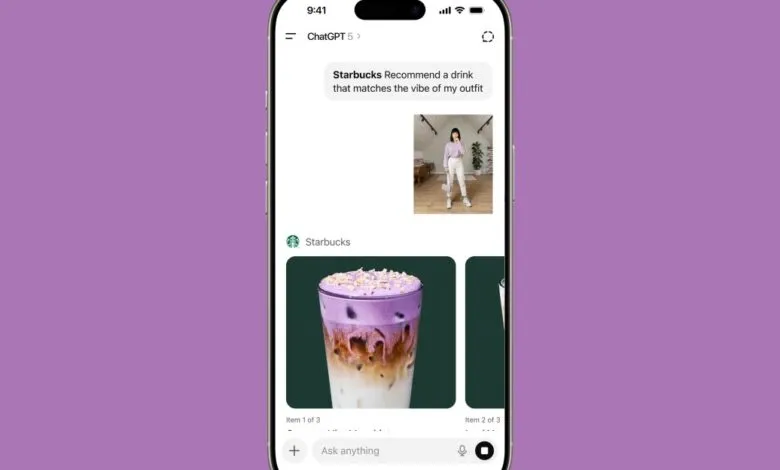
This experience underscores a fundamental mismatch. The feature seems built for hypothetical users who want to brainstorm a drink based on their “outfit vibe” rather than for customers who know what they want and value speed. While playful prompts might be a novelty, they risk encouraging overly complex, social-media-driven orders that slow down service for everyone.
The genuine ambition for AI-powered ordering should be a true digital assistant that knows your preferences and executes the transaction silently. Previous attempts with voice assistants failed, and now chat-based interfaces are proving equally ill-suited. Ordering coffee is not a creative conversation, it is a utility. The goal should be eliminating steps, not adding conversational friction, especially before that first, crucial cup.
(Source: The Verge)