Why You Should Stop Buying Kindles Now

▼ Summary
– Amazon is sunsetting older Kindle models, which will lose store access and become unusable if reset after May 20, 2026, effectively bricking functional hardware.
– The Kindle interface prioritizes ads and storefront recommendations over a user’s library, with stagnant software and invasive data tracking focused on reading habits.
– Alternatives like Kobo offer repair-friendly hardware, library integration, and support for the open ePub format, avoiding vendor lock-in.
– Android-based e-readers like Boox devices provide a more customizable experience, allowing installation of the Kindle app and other software on superior hardware.
– Users can maintain ownership of their eBooks by using tools like Calibre to remove DRM and create personal backups, preserving their library independently of Amazon.
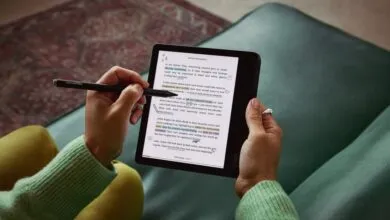
For more than ten years, a Kindle has been a constant companion in my daily life. From early models with physical keyboards to the modern Paperwhite, it has traveled with me on planes, trains, and to countless waiting rooms. My personal favorite was always the Kindle Oasis. I long championed the ecosystem for its convenience and its once-unmatched e-ink screens. However, the landscape has fundamentally shifted. In 2026, the Kindle is less about reading books and more about locking users into Amazon’s commercial ecosystem. Recent corporate decisions have shattered my loyalty, serving as a critical wake-up call for anyone who values true digital ownership.
The final straw was Amazon’s announcement regarding legacy hardware. If you own a Kindle released before 2013, your device is on borrowed time. Starting May 20, these older models will lose all access to the Kindle Store. While you can read existing downloads, a critical software limitation seals its fate. Performing a factory reset or attempting to register it to a new account after the deadline will render the device a useless brick. This policy transforms a perfectly functional e-reader into planned obsolescence overnight. As someone who values preservation, this move is not just disappointing, it is environmentally irresponsible. Instead of offering long-term support or open-sourcing old software, Amazon is choosing a path that leads directly to landfills.
This approach starkly contrasts with competitors like Kobo, which has partnered with iFixit to provide repair kits and guides for its latest models. When you buy a Kobo, you are investing in a maintainable tool. When you buy a Kindle, you are accepting a disposable product with a predetermined expiration date.
Beyond hardware, the Kindle user interface has grown stagnant. Comparing a 2018 model to a 2026 model reveals nearly identical software. The home screen persistently prioritizes advertisements and Kindle Unlimited promotions over your personal library. Navigating a large collection remains cumbersome, lacking the robust organizational features that have been standard on rival devices for years. The latest updates make it deliberately harder to find your own sideloaded books, pushing the storefront to the forefront. You are essentially paying for a device that functions as a billboard, unless you pay an additional fee to remove the ads.
Amazon’s 2026 roadmap further complicates the value proposition by heavily focusing on AI reading assistants and cloud-based summaries. This direction represents a profound data-mining operation. The company isn’t just tracking what you buy, it is analyzing how you read, monitoring your pace, your skips, and your highlights to feed its algorithms. This level of telemetry is invasive for a device meant to offer a private reading experience. Competitors like Kobo offer an offline-first approach by default, while brands like Boox give users complete control over app internet access.
The good news is that the e-reader market in 2026 offers superior and more open alternatives. Kobo presents the most logical transition. Devices like the Kobo Libra Colour offer hardware comparable to the Kindle Paperwhite, often at similar price points, with the standout benefit of native OverDrive and Libby integration for borrowing library books directly on the device. Kobo also supports the open ePub format, freeing you from a single store. You can purchase books from Google Play, Kobo, or independent retailers and simply drag files onto the device via USB.
For the ultimate in flexibility, Onyx Boox devices are revolutionizing the category. Products like the Boox Palma 2 are full Android tablets with e-ink displays. This allows you to install the Kindle app to access your existing Amazon library while gaining the benefits of a faster, more customizable device. Using the Kindle app on a Boox tablet often provides a smoother experience than a native Kindle, with support for third-party fonts and the ability to run other apps like Spotify or Notion simultaneously.
Display quality, once a Kindle stronghold, is another area where the competition has caught up. The latest Kobo and Boox devices utilize newer E Ink Carta 1300 panels, which offer better contrast and faster refresh rates than the Carta 1200 screens found in most current Kindles, resulting in crisper text with minimal ghosting.
A common fear about leaving Kindle is losing access to purchased books, but this is largely a myth. Most mainstream titles are available on all major platforms, and deals can often be found elsewhere. Importantly, digital ownership is achievable. Tools like Calibre, combined with specific plugins, allow you to manage your Kindle library, remove DRM, convert books to ePub, and maintain a personal, future-proof archive. This process is not merely about convenience, it is about digital preservation. Having a local, DRM-free backup ensures your collection survives any corporate policy change or server shutdown.
The market has evolved. Between Kobo’s user-friendly, library-integrated devices and Boox’s powerful, open Android tablets, there is no compelling reason to accept Amazon’s restrictive ecosystem. The combination of forced hardware obsolescence, an ad-cluttered interface, and invasive data practices means the Kindle no longer represents the best value or experience for readers. If you prioritize a pure reading experience, choose Kobo. If you want a versatile e-ink tablet, choose Boox. If you believe in owning what you buy, use Calibre to liberate your library. Until Amazon dramatically changes its policies, investing in another Kindle means investing in a platform that can revoke your access with a single update. Your library, and your rights as a consumer, deserve better.
(Source: Android Authority)