Great White Sharks Face Overheating Threat
▼ Summary
– Great white sharks and similar species maintain a warmer body temperature than the surrounding seawater, a trait known as mesothermy.
– Climate change is warming the oceans, which now puts these predators at risk of potentially fatal overheating.
– These mesothermic species face a “double jeopardy” because they require more energy to stay warm while their food sources decline, partly due to overfishing.
– To cope with rising water temperatures, these animals will be forced to move to cooler ocean regions.
– This situation means an evolutionary advantage that ensured their dominance for millions of years could become a major vulnerability.
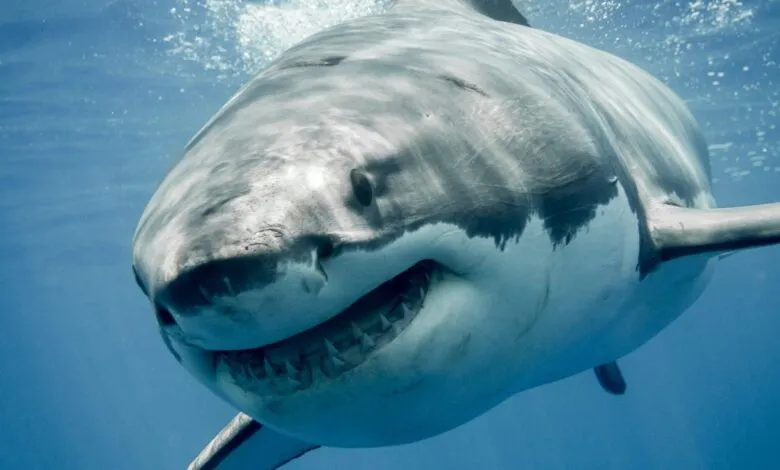
The very biological advantage that has secured the great white shark’s position as an apex predator for millennia is now turning against it. These formidable hunters, along with certain tuna species, are mesothermic, meaning they maintain a body temperature significantly warmer than the cold ocean waters they inhabit. This internal furnace provides them with speed and power, but it comes at a high metabolic cost. As climate change drives ocean warming to record-breaking levels, these animals are confronting a dangerous new reality: the risk of overheating in their own environment.
A recent study published in the journal Science details this emerging threat. The research highlights a double jeopardy for these species. Not only must they expend more energy to regulate their temperature in increasingly warm seas, but their primary food sources are simultaneously being depleted by widespread overfishing. This combination creates a severe metabolic strain, pushing the animals toward a critical energy deficit.
The physiological implications are stark. To avoid potentially fatal overheating, great whites and large tunas will have little choice but to abandon their traditional hunting grounds. They will be compelled to undertake major relocations to cooler waters, a disruptive shift that could unravel established marine ecosystems and bring these predators into unexpected conflict with human activities. The study underscores that the sharks’ evolutionary adaptation, once a key to their dominance, has become a significant vulnerability in a rapidly changing ocean.
(Source: Ars Technica)