iOS 26.4.1 Update Brings 2 Key iPhone Changes
▼ Summary
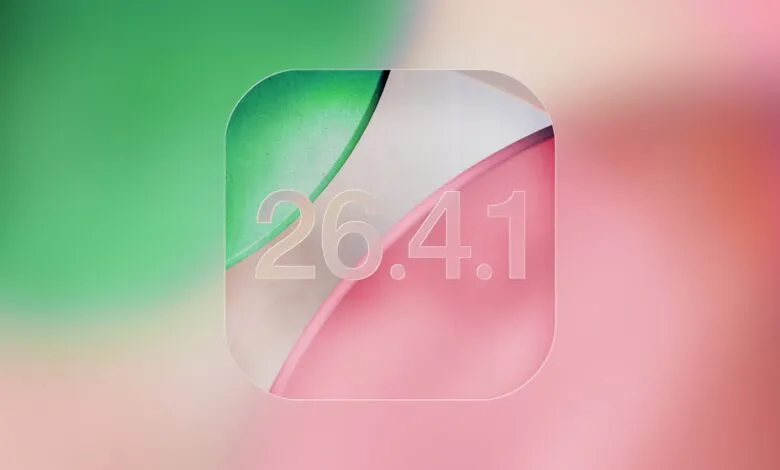
– Apple released iOS 26.4.1, a minor update for iPhone 11 and newer models.
– The update fixes a bug from iOS 26.4 that disrupted iCloud syncing in some applications.
– It automatically enables Stolen Device Protection on iPhones updating from iOS 26.4, primarily affecting enterprise-managed devices.
– Stolen Device Protection increases security by requiring biometric authentication for sensitive actions, with no passcode fallback.
– For the most sensitive actions, like changing an Apple ID password, the feature adds a one-hour security delay unless the iPhone is in a familiar location.
Apple has rolled out a minor but significant software patch for recent iPhone models. The iOS 26.4.1 update, available for the iPhone 11 and newer, officially lists only general bug fixes. However, the release includes two important modifications that enhance both system stability and device security for specific users.
One key fix addresses a syncing issue with iCloud that emerged in the previous iOS 26.4 version. Reports from developer forums indicate the bug disrupted data synchronization within certain third-party applications, a problem now resolved by this latest update.
The second change involves the automatic activation of Stolen Device Protection for a subset of devices. According to an enterprise support document, iPhones updating from iOS 26.4 to 26.4.1 will have this security feature turned on automatically. This appears to target organization-managed devices, as standard consumer iPhones already received this default setting in iOS 26.4.
Originally launched with iOS 17.3, Stolen Device Protection is a critical security layer designed to thwart thieves who may have observed a user’s passcode before stealing the phone. It significantly restricts what can be done with a passcode alone, mandating biometric authentication via Face ID or Touch ID for numerous sensitive actions.
With the feature enabled, tasks like accessing saved passwords in iCloud Keychain, using Safari payment methods, erasing the device, or applying for an Apple Card all require a successful biometric scan. The system removes the passcode fallback option for these functions, forcing reliance on the user’s unique face or fingerprint.
For the most critical account changes, such as modifying an Apple ID password, the system imposes an additional security delay. In these scenarios, after the initial biometric authentication, the user must wait for a one-hour period before completing a second biometric scan to finalize the action. This delay is waived when the iPhone detects it is in a trusted location like the user’s home or workplace.
Before the widespread adoption starting with iOS 26.4, Stolen Device Protection remained an opt-in feature. Users can still manually verify or adjust its status by navigating to the Face ID & Passcode section within the iPhone’s Settings app. This update continues Apple’s push to make robust security measures a standard, rather than optional, part of the iPhone experience.
(Source: MacRumors)