Google Ads Removes Display & Video from Performance Planner
▼ Summary
– Google’s Performance Planner no longer supports planning for Display and Video campaigns.
– The tool also removed access to plans using impression share, top impression share, or absolute top impression share metrics.
– This change makes forecasting and optimizing upper-funnel campaigns harder within Google’s native tools.
– The shift aligns the tool more closely with conversion-focused campaign types like Search, Shopping, and Performance Max.
– Advertisers must now adapt their planning for upper-funnel channels outside of the Performance Planner tool.
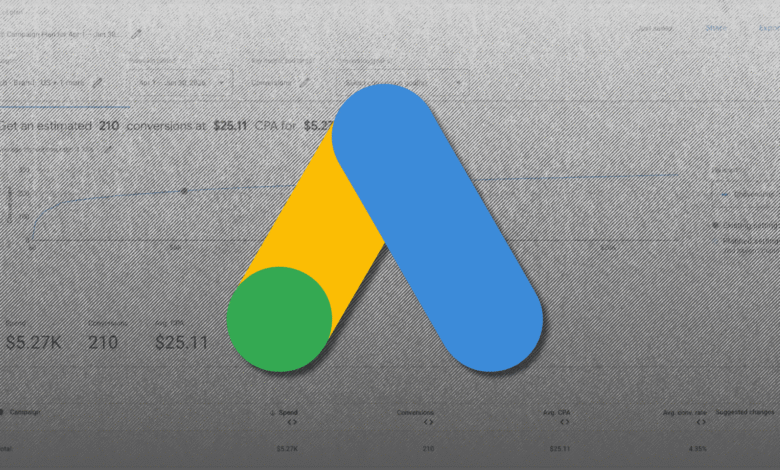
Google has significantly narrowed the functionality of its Performance Planner tool, a clear move to prioritize conversion-focused advertising over impression-based strategies. This change, effective last month, means the tool no longer supports planning for Display and Video campaigns. It also removes access to any existing plans that utilize impression share, top impression share, or absolute top impression share metrics. For marketers, this development complicates the process of forecasting and optimizing upper-funnel awareness campaigns using Google’s native planning software.
The update underscores a broader strategic shift within Google Ads toward automation and performance-driven outcomes. The company is aligning its planning tools more closely with campaign types that are inherently conversion-oriented, such as Search, Shopping, App campaigns, Demand Gen, Local campaigns, and Performance Max. By deprioritizing impression-based planning, Google is effectively steering advertisers toward strategies that emphasize direct response and measurable actions.
Currently, advertisers can still use the Performance Planner for the supported campaign types. However, any pre-existing plans that incorporated Display or Video campaigns, or that relied on impression share metrics, are now locked and cannot be viewed or edited. This creates an immediate practical challenge for teams managing blended campaign portfolios.
The key question now is how the advertising community will adapt. Professionals must develop new methods for forecasting and planning upper-funnel channels that no longer have native support within Google’s primary planning tool. This likely means greater reliance on third-party platforms, manual modeling, or a strategic pivot to further embrace the automated, conversion-centric campaign types Google is promoting.
Ultimately, Google is doubling down on a vision where performance-driven planning takes center stage. Impression-based strategies for brand awareness are being increasingly sidelined within the company’s own ecosystem, prompting a necessary reevaluation of how success is measured and campaigns are built outside of traditional metrics.
(Source: Search Engine Land)