Folk Musician Battles AI Fakes and Copyright Troll
▼ Summary
– Folk artist Murphy Campbell found unauthorized AI-generated cover songs on her official Spotify profile in January.
– The songs used her recorded performances from YouTube but featured altered, likely AI-generated vocals.
– She deduced someone had taken her YouTube content, created AI covers, and uploaded them to streaming platforms under her name.
– Analysis of one song through two AI detectors indicated the vocals were probably AI-generated.
– This incident highlights issues surrounding AI, copyright, and artist control on digital platforms.
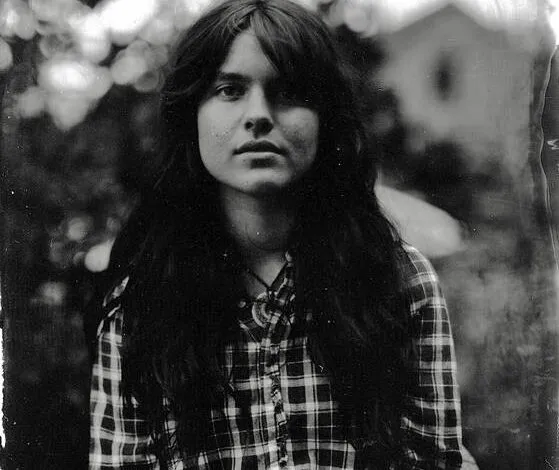
Earlier this year, folk musician Murphy Campbell noticed unfamiliar tracks appearing on her official Spotify artist page. These were her own compositions, yet she had never released them to the platform, and the vocal performances sounded strangely artificial. She soon realized that someone had likely taken live recordings she posted on YouTube, used artificial intelligence to generate synthetic covers of her voice, and then distributed them on streaming services under her identity. An analysis of one track, “Four Marys,” using multiple AI detection tools indicated the vocals were probably machine-generated, confirming her fears.
Campbell expressed her disbelief at the situation, having assumed the music industry had more safeguards in place. This incident highlights a growing crisis for independent artists, who now face the dual threat of AI-generated impersonations and a copyright system that struggles to address such novel infringements quickly. The unauthorized uploads not only misrepresent her artistic work but also potentially divert royalties and confuse her audience. Her case is becoming a stark example of how generative AI technology is outpacing existing legal and platform protections, leaving creators vulnerable to exploitation. The process for removing these fraudulent tracks is often slow and cumbersome, forcing artists to become their own detectives and enforcers in a digital landscape where their likeness can be replicated without consent.
(Source: The Verge)