iOS 26.5 Beta Released, Focus Moves to iOS 27 AI
▼ Summary
– The iOS 26.5 beta 1 was released without the anticipated Gemini-powered Siri and Apple Intelligence features.
– Apple originally announced Apple Intelligence in June 2024, but its “Personal Intelligence” and advanced action features never shipped in the iOS 18 cycle.
– Apple and Google announced a collaboration in January 2026 to use Gemini models for a more personalized Siri and Apple Intelligence features “coming this year.”
– Reports indicate Apple initially targeted iOS 26.4 for these features but delayed them, with signs now pointing to an iOS 27 release.
– The first iOS 27 beta is expected in a little over two months, with a full release anticipated in September.
The latest beta release for Apple’s mobile operating system confirms a significant shift in the company’s artificial intelligence roadmap. iOS 26.5 beta 1 arrived as expected, yet it notably lacks the anticipated Gemini-powered Siri and advanced Apple Intelligence capabilities. This absence signals that Apple’s major AI enhancements are now firmly targeted for a future platform release, with all development momentum pointing toward iOS 27.
While Apple initially unveiled its comprehensive AI vision in June 2024, integrating many features across subsequent iOS 18 updates, two core components never materialized. The promised Personal Intelligence system, along with sophisticated in-app action and on-screen awareness for Siri, remained absent throughout that entire release cycle. Following a version numbering change that aligned with the calendar year, iOS 26 became the successor. Now, evidence suggests users will need to wait for the next major iteration to experience the full suite of AI upgrades.
The release of iOS 26.5 without these features reinforces recent reporting. Although Apple could theoretically introduce a surprise in a later beta, the current trajectory indicates a strategic consolidation. The company appears to be bundling its entire AI roadmap for a flagship debut with iOS 27 this fall. The first beta for that operating system is projected to arrive in roughly two months, with a final public release expected in September. While a pre-release update to iOS 26 remains a technical possibility, the deliberate pace suggests Apple is prioritizing extensive development and integration time.
This delay follows a pattern of adjusted timelines for Apple’s intelligent assistant. On March 7, 2025, the company formally announced a postponement for its “more personalized” version of Siri. Apple’s statement at the time cited the complexity of creating a context-aware assistant capable of taking actions across applications, pushing the expected rollout “into the coming year.” This phrasing proved prescient, effectively setting a new target for 2026.
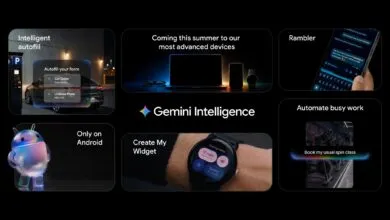
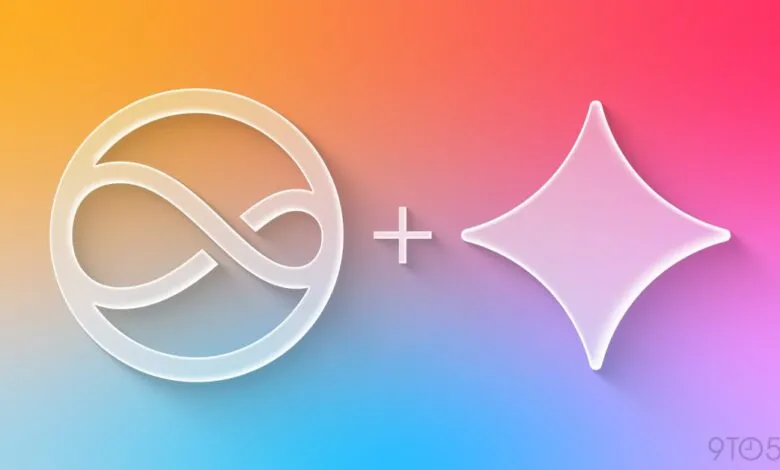
Momentum seemed to restart in January of this year when Apple and Google announced a landmark partnership. The companies revealed a multi-year collaboration where Google’s Gemini models would form the foundation for the next generation of Apple Foundation Models. This technology is intended to power future Apple Intelligence features, including the long-awaited personalized Siri, with a promised arrival “this year.” Initial internal targets reportedly aimed for an iOS 26.4 release, but those plans were reportedly scrapped prior to the beta’s launch.
Industry analyst Mark Gurman accurately forecasted this shift, reporting that Apple had decided to spread the new AI capabilities across future software versions. His reporting suggested that Personal Intelligence was particularly likely to be held for iOS 27. The release of iOS 26.4 without these features and now iOS 26.5 in a similar state confirms that assessment. It appears any Gemini-related enhancements may entirely bypass the iOS 26 timeline.
With this development cycle concluding, Apple’s engineering focus is now squarely on the next major platform. The company will likely showcase its AI advancements at WWDC 2026, which begins on June 8. This event will serve as the official unveiling for iOS 27, setting the stage for the features originally promised nearly two years ago to finally reach users this September.
(Source: 9to5Mac)