Intel Core Ultra 270K & 250K Plus Review: Strong CPUs with Caveats
▼ Summary
– The PC component market faces high prices due to AI-driven demand for memory and GPUs, making value hard to find.
– Current costs for 32GB of DDR5 RAM and a 2TB SSD are three to four times higher than in August 2025.
– Intel’s new Core Ultra 200S Plus CPUs offer solid performance and power efficiency, providing better multi-threaded value than similarly priced AMD chips.
– However, a reasonably priced CPU does little to offset the high cost of other components, especially a required upgrade to DDR5 memory.
– These Intel chips launch into an unfavorable market, despite being a decent refresh that would typically enable good budget systems.
The landscape for building or upgrading a personal computer has shifted dramatically in recent months. While the graphics card shortage of the early 2020s presented a specific challenge, today’s market is broadly hostile to consumer budgets. Surging demand from AI data centers for memory and storage components has driven up the cost of DDR5 RAM and SSDs across the board. Where a 32GB DDR5 kit and a quality 2TB solid-state drive could be had for under $200 last August, those same components now command a price three to four times higher. This is the difficult economic environment into which Intel has launched its Core Ultra 200S Plus processors.
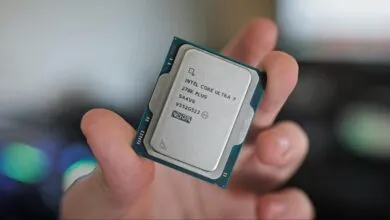
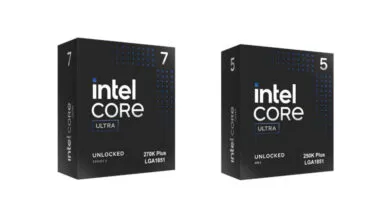
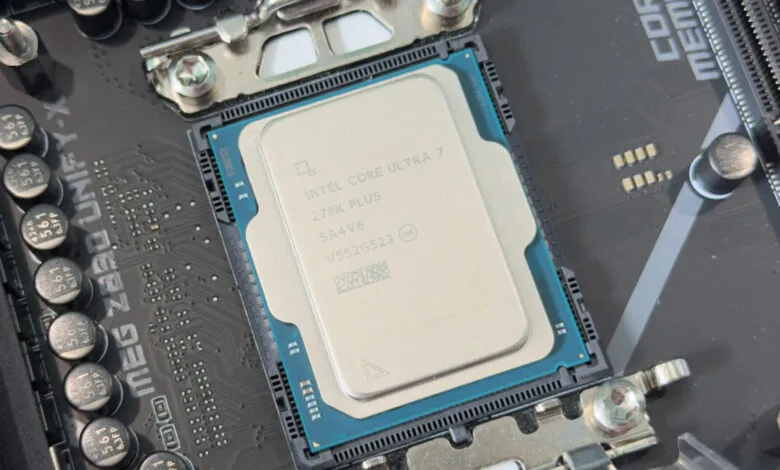
The two new chips, the Core Ultra 5 250K Plus at $199 and the Core Ultra 7 270K Plus at $299, are codenamed Arrow Lake and represent a capable mid-generation refresh. In terms of raw performance, they are strong contenders. They demonstrate solid power efficiency and deliver excellent value in heavy, multi-threaded workloads when compared to similarly priced AMD alternatives. For productivity tasks, these Intel CPUs are a compelling choice. It is worth noting, however, that even older, non-X3D AMD processors maintain a slight performance advantage in many gaming scenarios.
A significant caveat accompanies this value proposition. Securing a reasonably priced central processing unit does little to offset the soaring cost of the supporting platform. Whether planning a new build or an upgrade, users are almost certainly facing a mandatory and expensive shift from older DDR4 memory to the current DDR5 standard. Furthermore, Intel’s LGA 1851 socket offers no future upgrade path, unlike the longer-term commitment provided by AMD’s AM5 platform. This limits the long-term value of the investment.
Ultimately, Intel has engineered a competent processor refresh. In a different market climate, these chips would form the excellent foundation of a budget gaming PC or a cost-effective workstation. Their primary disadvantage is one of timing, launching into a period where finding genuine value in nearly every other core component has become exceptionally difficult. The overall cost of a complete system undermines the attractive pricing of the CPUs themselves.
(Source: Ars Technica)