Modular Phone Accessories: What’s Next After MagSafe?
▼ Summary
– Jolla’s Community Innovation Program forum showcases creative ideas for modular back covers, including components like sensors and projectors, for its upcoming phone.
– The concept revives Jolla’s 2013 “The Other Half” modular covers, with current industry trade shows suggesting a potential resurgence in modular phone designs.
– Past modular efforts include Google’s unrealized Project Ara and Motorola’s discontinued Moto Mods, which featured magnetic add-ons like cameras and speakers.
– Apple’s MagSafe system, launched in 2020, is successful but limited in data transfer, though it has renewed interest in accessory-level modularity.
– New concepts from MWC 2026, like Tecno’s ultra-thin phone, use magnets and pin connectors for advanced add-ons, indicating a shift toward external accessory-based modularity.
The smartphone accessory landscape is shifting beyond simple cases and chargers. A new wave of modular phone accessories is emerging, aiming to fundamentally expand what our devices can do. This movement is being fueled by both niche manufacturers and major industry players, suggesting a potential renaissance for hardware customization.
Finnish company Jolla is reigniting this concept with its Community Innovation Program, where ideas range from digital-to-analog converters to miniature air quality sensors for its upcoming phone. These swappable back covers, a revival of Jolla’s own “The Other Half” system from 2013, represent a more ambitious vision than today’s common accessories. This activity aligns with a broader trend at events like Mobile World Congress, where manufacturers are increasingly showcasing modular prototypes, hinting that the industry is revisiting the promise of hardware add-ons.
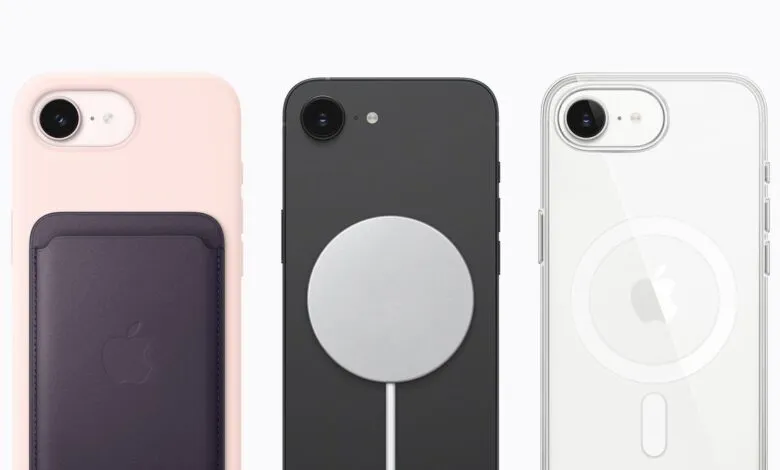
While modular phones have a history of unfulfilled potential, from Google’s canceled Project Ara to Motorola’s discontinued Moto Mods, the foundation for a new approach has been successfully laid. Apple’s MagSafe system, introduced in 2020, has proven the mainstream viability of a magnetic attachment ecosystem. Although Apple’s own offerings remain relatively conservative, the explosion of third-party MagSafe accessories,from camera grips to power banks,has demonstrated clear consumer demand for this form of snap-on functionality.
The current limitation of systems like MagSafe is bandwidth. They excel at alignment for wireless charging and enabling simple data connections but struggle with high-speed data transfer, which restricts the complexity of possible accessories. Industry analysts note that while MagSafe is excellent for charging and low-bandwidth uses, supporting more advanced capabilities requires a technological evolution. This is precisely the gap the next generation of accessories aims to fill.
The future lies in combining magnetic convenience with robust data transfer. As seen in recent concept devices, the goal is to enable high-speed accessory connections that allow for more sophisticated add-ons, like advanced camera modules or gaming controllers, that communicate seamlessly with the phone. These concepts move beyond basic back covers, utilizing both magnets and physical pin connectors to ensure a secure attachment with sufficient bandwidth.
This new direction suggests a pragmatic evolution. Instead of attempting to build fully modular phones with swappable internal components, the industry is focusing on external, snap-on modules that enhance a phone’s core capabilities. The success of MagSafe has validated the user experience, and the next step is to empower those accessories to do much more, potentially turning the smartphone into a truly customizable platform for productivity, creativity, and entertainment.
(Source: Wired)