Crimson Desert studio apologizes for AI art use
▼ Summary
– The developer of Crimson Desert has confirmed that AI-generated art was used during the game’s creation.
– The company stated this AI content was meant to be replaced before the game’s final release.
– It apologized for the AI assets appearing in the released game and for not being transparent about their use.
– The studio is now conducting a comprehensive audit to find and replace any remaining AI-generated content.
– The use of generative AI in games is a contentious issue, with some studios embracing it and others rejecting it.
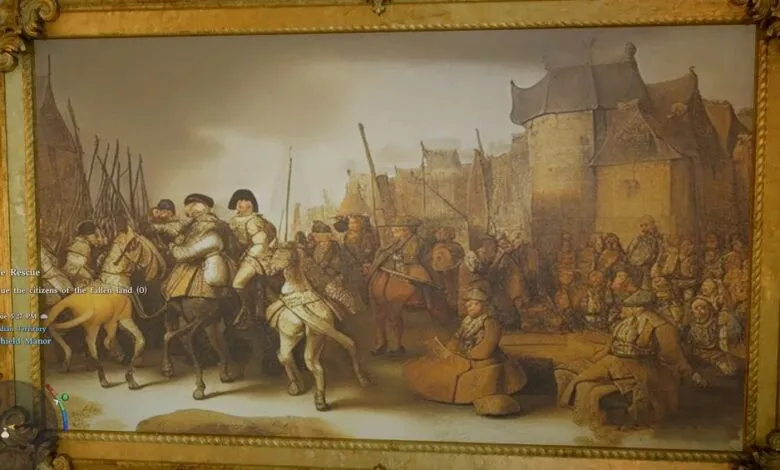
The studio behind the action RPG Crimson Desert has formally apologized after players discovered what they believed to be AI-generated art assets within the released game. In a public statement, the developer confirmed that artificial intelligence tools were used during the production process, but clarified that this content was meant to be replaced with original artwork before launch. The company announced it is now performing a comprehensive audit of the game’s assets to locate and remove any remaining AI-generated material.
This incident has ignited fresh debate over the use of generative AI in game development, a topic that has sharply divided the industry. While several major studios have begun integrating these tools into their pipelines, a vocal contingent of independent and smaller developers have publicly rejected the practice, often marketing their projects as being completely AI free. The controversy highlights the growing tension between technological efficiency and artistic integrity.
In its apology, the studio expressed regret for two specific failures: allowing the AI content to remain in the final product and not being upfront with players about its experimental use during development. “We should have clearly disclosed our use of AI,” the statement read, acknowledging a lapse in transparency that has eroded player trust. The situation serves as a cautionary tale for other developers navigating the complex ethical and practical landscape of AI integration, where the line between a useful prototyping tool and an unacceptable final asset is still being defined by community standards.
(Source: The Verge)