Game Devs Learned of NVIDIA DLSS 5 Alongside the Public
▼ Summary
– The article questions the validity of anonymous “game dev” sources, suggesting journalists may seek quotes from individuals not directly involved with the projects in question.
– It argues that Nvidia’s AI tech demo required collaboration with game studios, working only with key decision-makers and small teams to maintain secrecy and avoid leaks.
– Some developers at companies like Capcom were reportedly shocked by the AI announcement, as their companies had previously held anti-AI stances on projects.
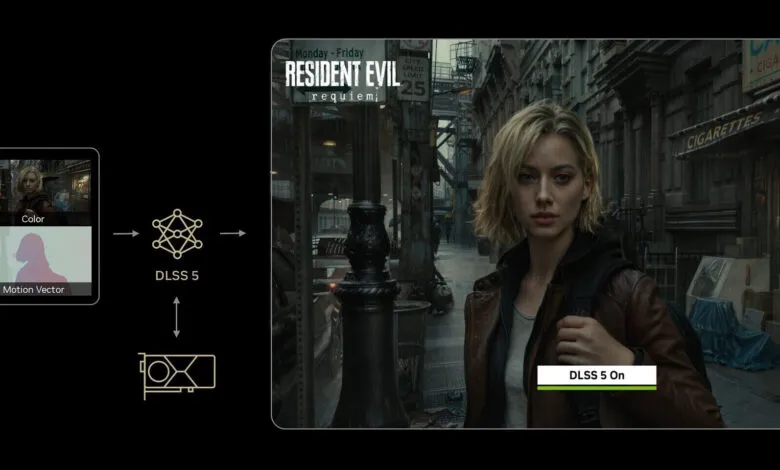
– The AI-generated visuals shown in the demo are criticized for producing homogenized, synthetic-looking characters, such as an “Instagram blondie,” despite potential developer controls.
– The broader context is an exhaustion with “AI slop” flooding digital platforms, with companies like Microsoft and Google facing backlash for integrating AI features.
The recent unveiling of NVIDIA’s DLSS 5 technology at GTC 2025 sent ripples through the gaming community, but it appears the announcement was equally surprising for many developers within the very studios featured in the demo. Reports suggest that knowledge of the collaboration was tightly controlled, limited to small teams of decision-makers and specific graphics engineers to prevent leaks. This restricted internal communication has led to a notable disconnect, with numerous employees at major publishers like Capcom and Ubisoft reportedly learning about their company’s involvement alongside the general public.
This situation raises questions about internal corporate culture and decision-making processes. A company can publicly maintain a stance that is skeptical of generative AI tools, while a separate, smaller group of managers simultaneously engages in partnerships exploring that very technology. The shock expressed by some developers stems from this apparent contradiction, not merely from the surprise of the announcement itself. For teams that have operated under an “anti-AI” ethos, seeing their company’s branding attached to a major AI-driven graphics initiative can feel like a sudden and uncommunicated shift in direction.
The nature of the collaboration between NVIDIA and the game studios is another point of discussion. While it is a given that NVIDIA required studio permission and technical integration work, the specifics of those agreements are not public. The process likely involved high-level approvals and targeted work with engine specialists. However, the extent of creative control retained by developers over the final AI-generated output remains somewhat ambiguous based on the information released so far.
Public reaction to the demo’s visuals has also been a significant factor. The generated characters shown, described by some observers as possessing a “hyper-realistic” yet homogenously “waxy” quality typical of certain AI models, sparked immediate debate. This feedback cycle—where the public’s negative reaction to “AI slop” influences the narrative—may have been anticipated by NVIDIA, potentially affecting how much detail was shared in advance. The subsequent tonal shift in coverage from some media outlets, appearing more cautious after the initial reveal, underscores the impact of this public and internal developer response.
Ultimately, this episode highlights the growing pains associated with integrating advanced generative AI into creative industries. It underscores a potential gap between executive-level business decisions and the broader development team’s awareness and alignment with those choices. As the industry continues to grapple with these tools, the balance between innovation, internal communication, and artistic control will be crucial for managing both developer morale and the quality of the final player experience.
(Source: Techpowerup.com)