VC Investor ‘Shocked’ by Gamer Backlash Against AI

▼ Summary
– Only 7% of GDC survey respondents viewed generative AI as beneficial for the gaming industry, highlighting widespread skepticism.
– An investor expressed shock at this negativity, suggesting gaming typically embraces new technology and that AI could be positive.
– The same investor linked executive enthusiasm for AI to potential layoffs, viewing staff reductions as a natural post-pandemic correction.
– Beyond job concerns, AI’s resource demands are causing hardware price increases and environmental issues, threatening PC gaming affordability.
– At GDC, Xbox announced its AI tool, Copilot, for consoles but generally downplayed AI in its presentations despite Microsoft’s broader investments.
The annual Game Developers Conference (GDC) survey consistently sets the tone for industry discussions, and this year’s results reveal a stark divide on a critical technological issue. A mere 7 percent of game developers view generative AI as a positive force for their industry, a statistic that has left many investors and executives grappling with the profound skepticism during conference panels. This overwhelming sentiment highlights a significant disconnect between the creators building games and the financial backers championing artificial intelligence.
Venture capitalist Moritz Baier-Lentz of Lightspeed Venture Partners expressed being “shocked and sad” by the prevalent negativity. His firm holds significant investments in AI companies, including the prominent Anthropic. Baier-Lentz remains hopeful, suggesting the gaming community has historically embraced transformative technologies and could eventually see AI as another “marvelous new technology” to adopt.
The investor pointed to a core reason for the opposing views: the potential for workforce reduction. He framed recent industry layoffs as a natural correction following the investment surge during the COVID-19 pandemic. However, he acknowledged that corporate enthusiasm for AI is often transparently linked to the prospect of automating tasks and reducing labor costs, a reality that fuels developer anxiety.
The tension extends far beyond job security concerns. Environmental impacts and the enormous resource demands of AI data centers are creating tangible problems. The massive allocation of high-bandwidth memory (HBM) for AI training is contributing to a shortage of RAM, which in turn drives up hardware costs for consumers. This trend risks making high-end PC gaming prohibitively expensive, potentially reversing years of progress toward broader accessibility.
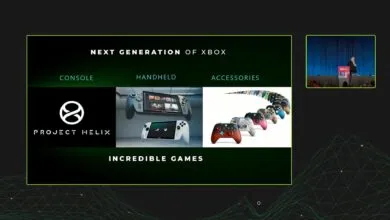
Amid this charged atmosphere, other major players approached the topic with caution. Xbox used GDC to detail its next-generation console, Project Helix. Despite Microsoft’s deep investments in AI across its other business divisions, the technology took a backseat in their presentations. The company waited until the conference’s conclusion to quietly announce that its AI assistant, Copilot, would be integrated into Xbox consoles later in the year, a subdued reveal that contrasted sharply with the heated debates happening elsewhere at the event.
(Source: Kotaku)