iPhone Fold: 5 Key Details Revealed This Week
▼ Summary
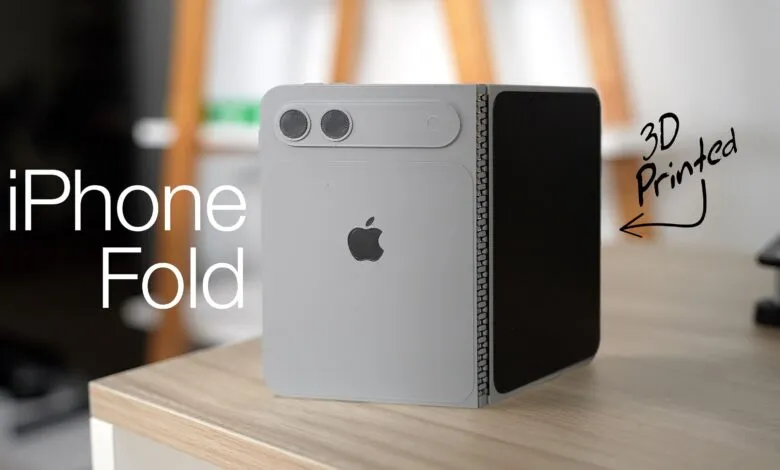
– Apple’s upcoming foldable iPhone is expected to launch in September, but the display crease will be reduced rather than completely eliminated.
– The device will feature a small hole-punch camera on its outer display, replacing the notch, and will still incorporate the Dynamic Island interface.
– For the inner display, Apple has abandoned under-screen camera technology due to image quality concerns and will instead use a hole-punch cutout.
– When opened, the device will run iOS with an iPad-like layout supporting side-by-side apps, but it will not run iPadOS or support full iPad multitasking.
– The foldable iPhone will have 12GB of RAM and storage options up to 1TB, with the top model potentially costing around $3,000.
The latest wave of rumors points to a potential September launch for Apple’s first foldable iPhone, a device that could reshape the smartphone market. This week brought several significant updates regarding its design, display technology, and software experience, offering a clearer picture of what to expect from this highly anticipated product.
One of the most discussed aspects has been the display crease. Initial, highly optimistic reports claimed Apple had completely solved this common foldable issue with a new Samsung panel. However, more recent information suggests a more realistic outcome. The advanced display technology significantly reduces the visible crease but does not eliminate it entirely, meaning the final result may not be perfectly seamless.
For the front-facing camera on the 5.5-inch outer display, Apple is moving away from the familiar pill-shaped notch. The design will instead utilize a small, single hole-punch cutout. This cutout will still be integrated into a surrounding Dynamic Island interface, which manages system alerts and Live Activities. Notably, Face ID components will not be placed under this outer screen; Touch ID is reportedly integrated into the side button for authentication.
Plans for the inner display’s camera have also evolved. Apple initially explored under-screen camera technology for the 7.8-inch inner display, aiming for a truly all-screen look. That ambitious approach has reportedly been abandoned. The company apparently concluded it led to unsatisfactory image quality. The current plan is to use a hole-punch camera on the inner screen, similar to the solution on the outer display.
A major software question has been whether the device would run iOS or iPadOS, given its tablet-like inner screen. The latest information confirms the foldable iPhone will run iOS, not a version of iPadOS. When unfolded, the user interface will adopt an iPad-like layout, supporting side-by-side multitasking for apps and featuring sidebars. However, it will not support the full suite of iPad multitasking features and will not run existing iPadOS apps natively.
Under the hood, the device is expected to be well-equipped. It is slated to feature 12GB of RAM, matching the rumored specifications for other upcoming high-end iPhone models. Samsung is reportedly supplying the DRAM at a higher negotiated price, attributed to tightening global memory supplies. For storage, options are said to include 256GB, 512GB, and a top-tier 1TB capacity. This premium configuration could carry a price tag approaching $3,000, positioning the maxed-out model at a cost comparable to two high-end traditional iPhones.
(Source: Mac Rumors)