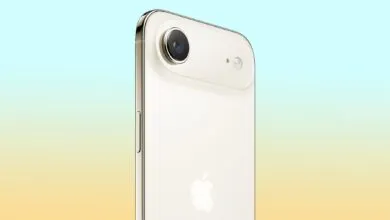
iPhone Ultra: 6 New Features in Apple’s High-End Model
▼ Summary
– It will be a book-style foldable with a titanium border, featuring a unique wide orientation and a crease-free inner display.
– The device will have two displays: a 5.3-5.5 inch outer screen and a 7.6-7.8 inch inner screen resembling an iPad mini.
– Its camera system includes dual 48MP rear lenses and two front-facing cameras, but it lacks a Telephoto lens.
– It will run iOS 27 with exclusive multitasking features and use a new A20 Pro chip with an Apple-designed C2 cellular modem.
– Authentication will use a power button-integrated Touch ID instead of Face ID, and it is expected to be Apple’s most expensive iPhone.
Anticipation is building for Apple’s entry into the foldable smartphone market this fall, with the rumored iPhone Ultra poised to introduce a radically new form factor. This high-end model is expected to deliver a suite of innovative features that differentiate it from the standard Pro lineup, potentially justifying a premium price point. Here is a detailed look at what industry reports suggest we can expect from this groundbreaking device.
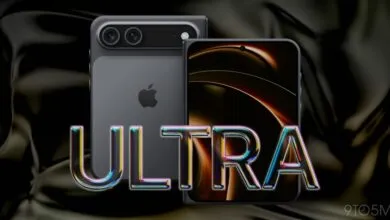
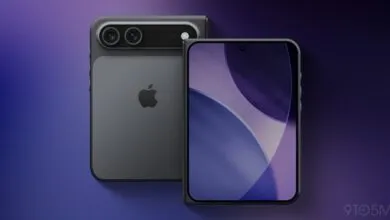
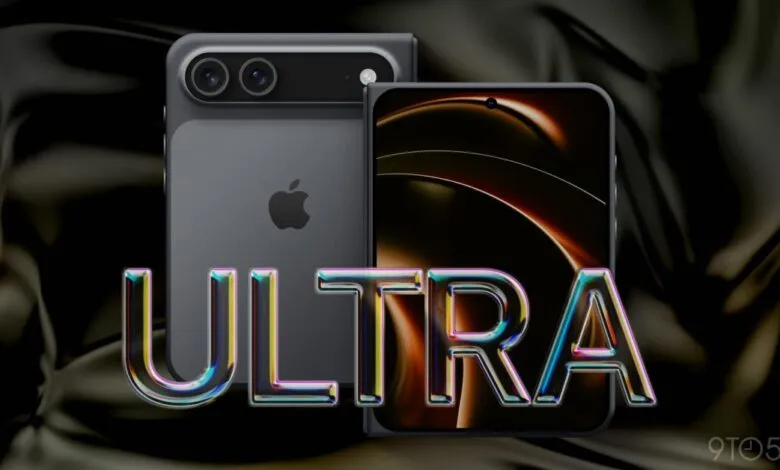
The design represents a significant departure from Apple’s traditional smartphone aesthetic. The iPhone Ultra is rumored to feature a book-style fold, opening to a wider-than-tall orientation that distinguishes it from many existing foldables. When unfolded, the device is said to be remarkably thin, with a titanium border contributing to its premium build. In its folded state, it may resemble two stacked iPhone Air models, albeit thinner. A major technical achievement for the form factor is the expectation of a crease-free inner display, a notable advancement in foldable screen technology. Initial color options are reportedly limited to classic black and white.
The display configuration is central to the device’s identity. It will feature two screens: a compact outer display and a larger inner panel. The outer screen is speculated to measure between 5.3 and 5.5 inches, offering a wider aspect ratio reminiscent of a squatter iPhone mini. Unfolding the device reveals an inner screen estimated at 7.6 to 7.8 inches, bringing its size and feel close to that of an iPad mini, effectively blending phone and tablet experiences into a single product.
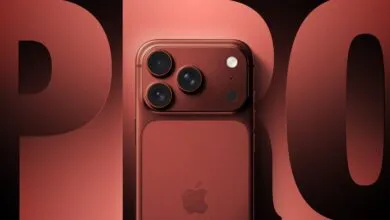
For imaging, the camera system appears tailored to the device’s unique design constraints. On the rear, a dual-lens setup is expected, featuring a 48MP Main and a 48MP Ultra Wide sensor. This configuration means users choosing the Ultra over a Pro model would forgo a dedicated Telephoto lens and its optical zoom capabilities. Given the dual displays, the device is also anticipated to include two front-facing cameras, one for each screen. These are likely to utilize an 18MP Center Stage sensor in a hole-punch design, similar to the technology introduced last year.
Software will play a crucial role in harnessing the hardware’s potential. The device is expected to launch with iOS 27, which will introduce exclusive multitasking features. While it will not run a full version of iPadOS or support advanced windowing, reports indicate it will gain the ability to run side-by-side apps, taking clear inspiration from the iPad’s software layout to enhance productivity on the larger unfolded screen.
Under the hood, performance will be driven by new Apple silicon. The iPhone Ultra is slated to feature the next-generation A20 Pro chip, rumored to be manufactured on an advanced 2-nanometer process. This chip is expected to utilize Wafer-level Multi-Chip Module (WMCM) technology for greater efficiency and will reportedly be paired with 12GB of LPDDR5 RAM for faster performance. It will also debut Apple’s in-house C2 cellular modem, replacing Qualcomm components and aiming to deliver improved connectivity benefits.
In a surprising move, the device is said to forgo Face ID for biometric authentication. Due to the extreme thinness of the design, Apple reportedly found it impossible to miniaturize the necessary Face ID components for two separate modules. Instead, the company is bringing back Touch ID, integrating the fingerprint sensor directly into the power button, a solution currently used in the iPad Air and iPad mini.
Pricing remains a topic of intense speculation, with estimates ranging widely. Most analysts predict a starting cost of around $1,999 for a 256GB model, which would firmly establish it as the most expensive iPhone ever. By merging the core functionalities of an iPhone and an iPad mini into a single, innovative package, Apple is betting that consumers will see the value in this premium, transformative device.
(Source: 9to5Mac)