Samsung Explains Why Galaxy S26 Won’t Have Magnets
▼ Summary
– Samsung’s executive Won-Joon Choi explains the company avoids adding internal magnets to phones because most users buy cases, and the magnet thickness would compromise battery size or thinness.
– Choi states that 80-90% of people use cases, and magnet-equipped cases are now popular, making internal magnets an unnecessary trade-off.
– Samsung is still researching magnet integration but will only proceed when it can be done without sacrificing other internal components.
– The author personally disagrees, wanting both extra battery and magnets and being willing to accept a thicker phone to get them.
– The author notes that without internal magnets, users rely on case makers, and suggests Samsung could improve accessory compatibility by adopting a standard like Apple’s.
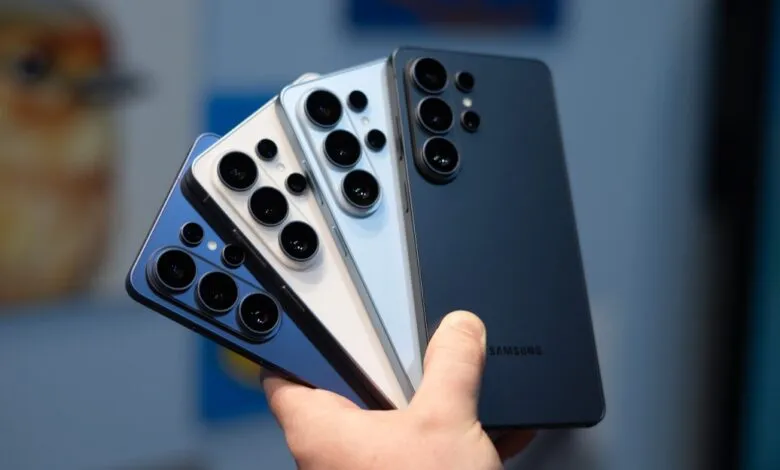
Samsung has clarified its decision to exclude built-in magnets from the upcoming Galaxy S26 smartphone, citing a focus on battery capacity and device thickness as the primary reasons. According to a senior executive, the company believes the internal space required for magnets presents an unfavorable compromise for most users. The rationale hinges on the widespread use of protective cases, with the vast majority of customers already opting for accessories that can incorporate magnetic features externally.
Won-Joon Choi, who leads research and development for Samsung’s mobile division, explained the company’s position. He noted that an overwhelming percentage of smartphone owners use a case, and many of those cases now come with magnets. From an engineering perspective, Samsung prefers to allocate any additional internal space toward enhancing the battery or reducing the overall profile of the device. The added bulk from integrating magnets is seen as a trade-off that doesn’t align with their design priorities for this model.
This stance does not indicate a permanent rejection of the technology. Choi emphasized that Samsung continues to actively research magnetic integration. The goal is to find a solution that does not force any sacrifice in the phone’s internal components or performance. Only when they achieve that, he stated, will the company move forward with including magnets in a future handset.
This perspective has sparked debate among enthusiasts and reviewers. Some argue that modern phones are already sufficiently thin and that the benefits of a standardized magnetic ecosystem, like secure attachment to chargers, wallets, and mounts, outweigh the marginal gains in slimness. There is also a desire for manufacturer-led standardization, similar to Apple’s MagSafe system, which ensures compatibility and a firm, non-rotating hold for accessories.
The current reality for Samsung users means reliance on third-party case manufacturers to provide magnetic functionality. This fragmented approach can lead to inconsistent performance and accessory compatibility. Samsung’s calculation appears to be a pragmatic one: if consumers are going to buy a case anyway, the company can optimize the core device for other attributes and let the accessory market handle magnetic features. This strategic choice highlights a different philosophy compared to competitors like Apple and Google, who have chosen to build magnets directly into their flagship devices.
(Source: The Verge)