Google Invests $1B in Form Energy’s 100-Hour Battery
▼ Summary
– Google is building a new data center in Minnesota that will be powered by wind, solar, and a novel long-duration battery from Form Energy.
– The cost of this battery project is approximately $1 billion, according to a report.
– Form Energy’s iron-air battery can deliver 300 megawatts of power continuously for 100 hours by using a rusting (oxidation) process.
– This deal with Google represents Form Energy’s first major customer after years of developing the technology and building a production factory.
– Following this order, Form Energy is raising a $500 million funding round and plans to go public next year.
Powering a major data center requires a massive and reliable energy supply, a challenge that Google is tackling with a groundbreaking investment in long-duration energy storage. The tech giant is committing approximately $1 billion to integrate a unique iron-air battery system from startup Form Energy into its new Minnesota data center. This facility will be powered by a combination of 1.4 gigawatts of wind and 200 megawatts of solar power, with the innovative battery acting as a crucial buffer to ensure continuous operation.
The core of this project is Form Energy’s iron-air battery technology, which is engineered to discharge electricity for an extraordinary duration. The system is designed to deliver 300 megawatts of power continuously for 100 hours. This capability addresses a fundamental weakness of renewable energy: its intermittent nature. When the sun isn’t shining or the wind isn’t blowing, this battery can step in to provide days of clean power, smoothing the flow of electrons to the demanding data center.
The technology operates on a reversible rusting principle. Essentially, the battery “breathes.” During charging, an electrical current converts rust (iron oxide) back into metallic iron. When discharging, oxygen is introduced, causing the iron to rust again, a chemical reaction that releases electrons to generate electricity. This approach uses some of the safest, most abundant, and cost-effective materials on Earth, iron, water, and air, making it a compelling alternative to lithium-ion batteries for grid-scale, multi-day storage.
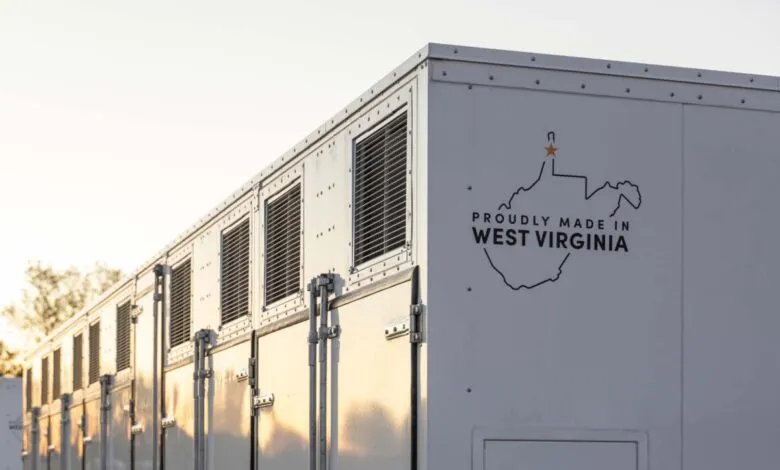
For Form Energy, this deal with Google represents a pivotal commercial breakthrough. After years of developing the technology and establishing a production facility in West Virginia, securing a flagship customer of this magnitude validates its business model. The company’s CEO, Mateo Jaramillo, has indicated that with this major order, Form Energy is now seeking to raise an additional $500 million in funding. To date, the startup has raised $1.4 billion and is reportedly planning for an initial public offering next year.
This investment signals a significant shift in how large technology companies approach their energy infrastructure. It moves beyond purchasing renewable energy credits to directly funding and deploying the cutting-edge hardware required to make wind and solar power truly dependable around the clock. The success of this Minnesota project could set a new standard for industrial energy reliability and accelerate the adoption of long-duration storage solutions globally.
(Source: TechCrunch)