5 AI-Powered Video Ad Strategies for PPC Success
▼ Summary
– By 2026, AI is fundamentally shaping digital advertising, with its use in video PPC campaigns now focused on driving better results rather than debating adoption.
– Successful AI-driven video campaigns require supplying modular asset libraries for dynamic assembly, not single finished videos, to enable personalized ad experiences.
– Advertisers must shift from manual keyword targeting to intent orchestration, using negative keywords and first-party data to guide AI systems toward high-quality audiences.
– Training AI with value-based conversion data, like qualified leads, is essential to prevent optimization for low-quality traffic and to scale video spend effectively.
– Measuring video ad success requires moving beyond last-click attribution to focus on incremental lift, as AI formats like YouTube Shorts influence user behavior outside traditional models.
The landscape of pay-per-click advertising is fundamentally shifting, moving beyond manual control toward a model where success hinges on providing artificial intelligence with the highest-quality creative and data inputs. Video ads are particularly powerful in this new environment, as they deliver information faster than text and are increasingly cost-effective to produce. The critical challenge for marketers is no longer whether to use AI, but how to deploy it strategically to avoid pitfalls and maximize return on ad spend.
Simply using AI tools is no longer a competitive advantage. With nearly 90% of advertisers now employing generative AI for video ad creation, adoption is ubiquitous. The true differentiator lies in who supplies the advertising algorithms with the strongest signals. Modern platforms like Google Ads have evolved from keyword-based systems to intent-driven AI that processes millions of signals per second. Campaigns that win are those built to empower, not restrict, these intelligent systems. Here are five essential strategies for leveraging AI in video PPC to improve performance and deliver superior results.
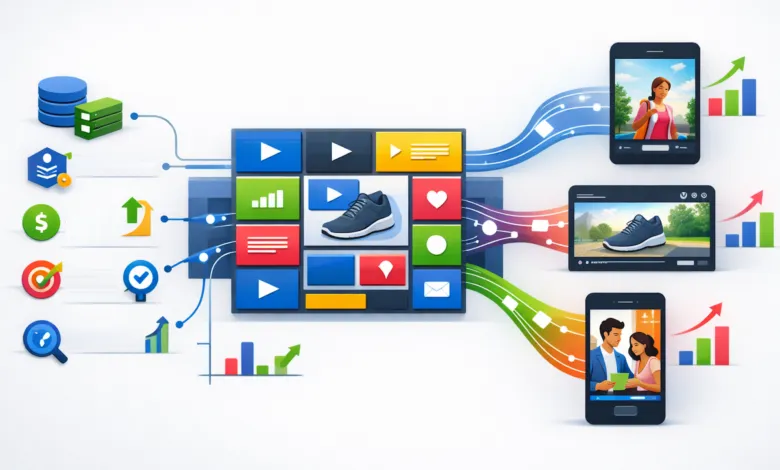
Move from a single perfect video to a modular asset library. The traditional television-style workflow, producing one polished, final cut, is now a liability for dynamic campaigns like Performance Max. AI-driven campaigns perform best when given a library of components they can assemble in real-time based on user context. Instead of uploading one video, provide the AI with building blocks: multiple six-second hooks (visual, text-based, user-generated content style), several core value propositions (speed, price, quality), and varied call-to-action end cards. This allows the system to personalize the ad experience, serving a casual viewer a soft CTA while presenting a serious prospect with a direct offer, thereby dramatically improving relevance and conversion potential.
Replace rigid keyword targeting with intelligent intent orchestration. Keywords have shifted from hard triggers to broad thematic signals for AI. Platforms are pushing advertisers toward campaign types like Demand Gen that use lookalike audiences and search themes. To prevent AI from optimizing for low-quality, easy-to-get placements, advertisers must actively guide intent. This involves robust use of negative keywords to exclude irrelevant audiences and, more importantly, seeding the AI with first-party data. Uploading lists of high-value customers as a primary signal trains the algorithm to seek users who resemble your best clients, not just anyone who recently visited your website.
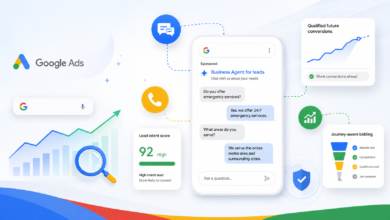
Train the algorithm with value-based conversion data, not just any conversion. A major pitfall is optimizing video campaigns for weak conversion signals like generic page views. This instructs the AI to aggressively seek more users who click and bounce, optimizing for volume over value. The solution is to feed the AI qualified conversion data through offline conversion imports and enhanced conversions. Link your CRM to Google Ads so that when a user submits a lead form, the lead’s qualified status is sent back as the conversion event. Optimizing for “qualified leads” instead of “all leads” trains the system to prioritize users with genuine purchase intent, enabling scalable spend without inflating customer acquisition costs.
Adopt lift measurement instead of relying on last-click attribution. Evaluating AI-driven video, especially on formats like YouTube Shorts, with traditional attribution is flawed. A user might see a video ad, then search for the brand days later; last-click attribution gives all credit to the search campaign, undervaluing the video that created demand. Marketers should shift focus toward measuring incremental lift using tools like media mix modeling or Google’s own lift measurement. These methods, including holdout tests that compare exposed and unexposed audiences, reveal the true impact of video campaigns on overall revenue and brand growth, preventing budget cuts based on incomplete data.
Design video creative for sound-off viewing from the start. A significant portion of video consumption, particularly in discovery feeds, happens with the sound off. While AI can generate captions, effective creative must communicate visually. Review your ads on mute to ensure the visual hierarchy conveys the core message within the first three seconds. Viewers should instantly understand the product, the target audience, and the desired action. Using AI-based object recognition tools in pre-testing can ensure your brand and product are prominently detectable in the video frames, which is crucial for strong brand lift performance.
The role of the PPC manager is evolving from a tactical bid adjuster to a strategic architect who designs the data and creative environment for AI. Success will belong to teams that prioritize high-quality creative inputs and rigorous data management. Begin by auditing what signals your campaigns are currently optimized for, are they driving valuable actions or just vanity metrics? Then, modularize your creative; transform a top-performing static image into a short video bumper using AI tools for testing. By thoughtfully structuring your programs and maximizing the available tools, you can harness AI-powered video advertising as one of the most scalable and effective channels in modern marketing.
(Source: Search Engine Land)