Top Laptops Unveiled at CES 2026
▼ Summary
– CES 2026 showcased numerous new laptop models and concepts from major manufacturers like Asus, Lenovo, and Dell, acting as a preview for the year’s releases.
– The Asus ROG Zephyrus Duo is a notable gaming laptop featuring two full-size 16-inch OLED displays, creating a unique portable multi-monitor setup.
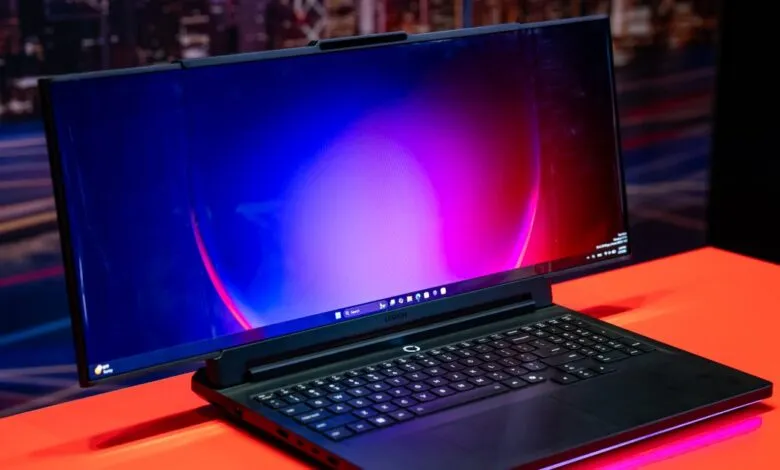
– Lenovo displayed innovative rollable screen concepts, including a gaming laptop that extends from 16 to 24 inches and a ThinkPad with a screen that extends vertically.
– The Dell XPS 14 and 16 mark a resurgence of the line, reintroducing a physical function row and featuring unique variable refresh rate screens that can go as low as 1Hz.
– Other highlighted devices include the Acer Swift 16 AI with a very large haptic trackpad and the Asus Zenbook A16, a lightweight 16-inch laptop with a full-size SD card reader.
The annual CES event serves as a definitive showcase for the year’s most anticipated laptop innovations, setting the stage for new designs and technologies from leading manufacturers. This year’s reveals from companies like Asus, Lenovo, and Dell highlight a fascinating push toward novel form factors and user-centric features, even as new chips from Intel, AMD, and Qualcomm loom on the horizon. The following models represent the most compelling prospects for future testing and potential market impact.
The Asus ROG Zephyrus Duo reimagines the dual-screen gaming laptop by giving the entire lower half of the device over to a second full-size OLED display. This evolution from earlier, more limited secondary screens transforms it into a portable multi-monitor setup. While it will likely command a premium over the standard Zephyrus G16 and may involve some performance trade-offs, the prospect of two 16-inch, 120Hz OLED panels in a single machine is unparalleled for gamers and power users who need serious screen real estate on the go.
Lenovo showcased a fascinating prototype with the Legion Pro Rollable concept, a gaming laptop whose screen extends horizontally from 16 inches to an immersive 24-inch ultrawide format. The current prototype has noticeable rough edges, including noisy mechanics and unresolved display scaling. However, the core idea, having an on-demand ultrawide monitor that collapses into a portable form, is incredibly compelling. If Lenovo refines the technology, this could redefine mobile gaming and multitasking.
Acer turned heads with the Swift 16 AI, primarily due to its enormous haptic trackpad, which supports stylus input and allows clicking anywhere on its surface. This massive touchpad, combined with the model’s typical strengths like a good port selection and an OLED display, makes it a standout. Its ultimate appeal will heavily depend on final pricing, but it represents a bold step in rethinking laptop interaction.
Dell has revived its XPS line with the new XPS 14 and 16, addressing previous criticisms by reintroducing a physical function row and adding tactile boundaries to its seamless haptic trackpad. These remarkably thin laptops also introduce a valuable variable refresh rate feature, with screens that adjust from 120Hz down to 1Hz to save battery. This technology will be available even on base models, though the absence of discrete GPU options may give some users pause.
Another intriguing Lenovo concept is the ThinkPad Rollable XD, which brings a rollable, flexible OLED screen to the venerable business laptop line. The display extends vertically from 13.3 inches to a taller 15.9 inches. While an exposed flexible screen raises durability concerns, the design is significant because it modularly contains the rolling mechanism within the lid. This approach could one day make rollable displays a configurable option for mainstream ThinkPads, potentially driving adoption and lower costs.
For those seeking a large yet portable display, the Asus Zenbook A16 is a compelling option. Weighing just 2.65 pounds, it is exceptionally light for a 16-inch laptop and includes a prized full-size SD card reader. It features a high-resolution 120Hz OLED screen and can be configured with Qualcomm’s top-tier Snapdragon X2 Elite Extreme chip, promising strong performance and potentially excellent battery life in a sleek package.
MSI is refining its design language, and the Stealth 16 creator laptop exemplifies this shift. It boasts a sleek, professional aesthetic reminiscent of a MacBook Pro but includes a practical array of ports, including Ethernet. It comes standard with a high-refresh-rate 240Hz OLED display and will be powered by Intel’s latest Panther Lake processors and Nvidia’s new RTX 50-series graphics, positioning it as a powerful yet sophisticated machine.
Asus is also exploring new territory with the TUF Gaming A14, a more affordable gaming line that will feature AMD’s Strix Halo integrated graphics. The goal appears to be a compact, budget-friendly laptop that balances gaming capability with better battery life for everyday tasks. Whether Asus can hit the right price point with this chipset remains a key question.
Finally, HP presented the curious Eliteboard G1a, a “keyputer” that essentially packs a full computer into a keyboard. It initially seems like a niche device for specific professional environments, but unexpected viral interest has sparked curiosity about its practical utility and whether it merits a full review upon release.
(Source: The Verge)