Romeo Is a Dead Man: A Chaotic Sci-Fi Comedy
▼ Summary
– The game *Romeo Is a Dead Man* is a chaotic, third-person action adventure where the protagonist, a “semi-living” Space-Time Agent, hunts criminals and searches for his lost girlfriend, Juliet.
– Its storytelling is deliberately non-linear and chaotic, presented through unexpected interruptions and cutscenes, which the reviewer found initially confusing but ultimately engaging and enjoyable.
– The game’s presentation is excessively flashy and humorous, featuring a wild mix of visual styles, including 3D sequences, manga pages, cartoons, and retro comics.
– Combat is described as an “extremely bloody sci-fi action buffet,” characterized by fast movement, varied weapons, and over-the-top effects like sparkles and confetti, alongside unique “bastard” minions for special attacks.
– The game offers a permanent difficulty selection metaphorically presented as a choice of chocolate, and boss fights require learning patterns, utilizing healing/ultimate abilities, and can provide random buffs upon death.
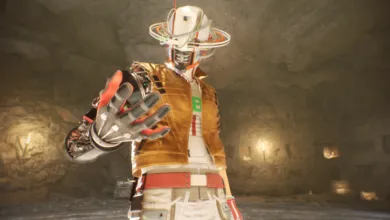
For a man technically deceased, Space-Time Special Agent Romeo enjoys a remarkably eventful existence. In the third-person action game Romeo Is a Dead Man, an average workday involves battling grotesque mutants, infiltrating FBI spaceships, and casually wandering through alternate dimensions. This chaotic sci-fi comedy throws players headfirst into a universe where logic is optional and spectacle is guaranteed.
The plot is delightfully convoluted. It begins with Romeo, an ordinary young man, developing feelings for a girl named Juliet. His grandfather then accidentally shatters the fabric of space-time, an event that leaves Romeo nearly dead. A dramatic syringe-to-the-eyeball revival from Gramps restores him to a semi-living state, but Juliet vanishes in the chaos. Driven by loss, Romeo joins the FBI as a Space-Time Agent, adopting the codename “Dead Man” to hunt criminals across the cosmos while searching for his missing love. His quest has so far only uncovered deranged, mutated versions of Juliet hell-bent on his destruction. As for Grandpa? He perished saving Romeo, only to be reincarnated as his grandson’s sentient, talking jacket. Keeping up is part of the fun.
This bizarre backstory isn’t delivered in a tidy opening crawl. Instead, it’s pieced together through chaotic cutscenes and unexpected interruptions throughout the first chapter. This nonlinear approach to storytelling perfectly matches the game’s frenetic energy, transforming initial confusion into hesitant appreciation, and finally, genuine affection. The constant shifts in scenery and abrupt time-jumps are initially disorienting but masterfully maintain a sense of thrilling unpredictability.
While the narrative hooks you, it’s the game’s irreverent and flashy presentation that truly captivates. The dialogue oscillates between deadpan absurdity and urgent crisis, with lines like “The current president is controlled by a 5th-generation AI” followed immediately by “Romeo, listen up… You’re gonna die in about 15 seconds.” This tonal whiplash generates constant, genuine laughs.
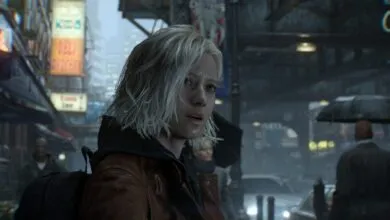
Such an excessive narrative demands equally excessive visuals, and the game delivers. One moment you’re in a dark, three-dimensional dream sequence; the next, you’re navigating a trippy cubical dimension. The experience is peppered with edgy manga pages, vibrant cartoon segments, retro comic panels, and 2D pixel-art spaceship interludes. A standout moment features a comic-style cutscene with a Juliet impostor, where individual panels come to life with subtle animation, like a crackling fire on a static page, before erupting into a full-blown boss battle.
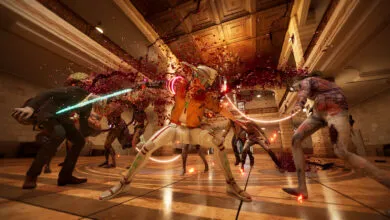
The combat system earns the title “excessive” more than any other element. Billed as an “extremely bloody sci-fi action buffet,” the game lives up to that promise, but with a twist. The copious blood and gore are consistently accompanied by sparkling visual effects, screen flashes, and even celebratory confetti. This is paired with fluid movement, diverse special attacks, and a wide arsenal of melee and ranged weapons. The unique “bastards” system adds another layer: these are space-grown minions that players can plant, harvest, and deploy for devastating special maneuvers.
Early gameplay raised questions about difficulty, which were quickly answered by a clever, permanent choice. The game presents a box of chocolates, white, milk, or orange, each representing a difficulty setting. Selecting the milk chocolate, or medium difficulty, proved to be the perfect balance, offering a stiff challenge without veering into frustration. The first major boss, a gargantuan, wobbly creature employing stomps and fire blasts, took three attempts to defeat. Initial failures underscored the critical importance of healing abilities and ultimate attacks. Victory came from learning patterns, targeting weak points, and strategically building the ultimate gauge.
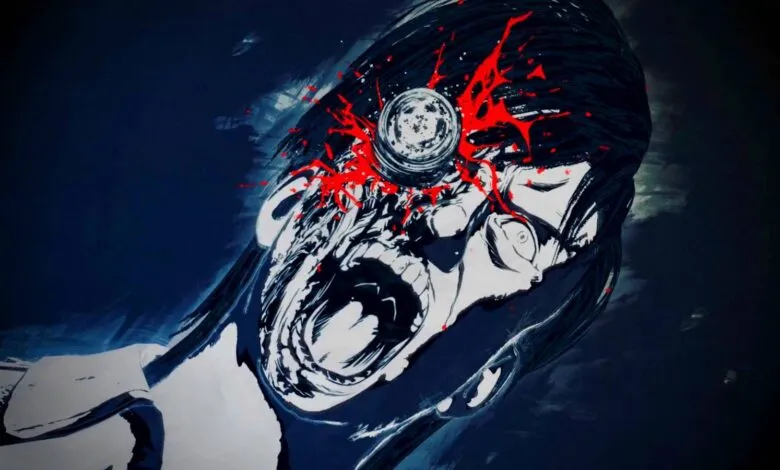
The game even softens the sting of defeat with a helpful mechanic. Upon death, players are treated to a wheel of fortune spin for a random buff before respawning. Landing a power-up like “increased attack power” is a brilliant incentive to jump back into the fray, almost making up for the unsettling death screen imagery.
Romeo Is a Dead Man is a relentless barrage of welcome surprises and cheeky nonsense. It successfully marries solid sci-fi action with a gloriously silly, twist-filled narrative. While its long-term ability to sustain this unpredictable momentum remains to be seen, the opening hours make a powerfully positive impression. The commitment to help this semi-living, jacket-wearing oddball find his Juliet feels like a promise worth keeping. Romeo’s journey from sad man to determined agent is one chaotic ride you won’t want to miss.
(Source: Polygon)