Huawei AI Memory Chip Challenges Samsung, SK Hynix
▼ Summary
– Huawei has developed a design for high-bandwidth memory with double the data pin density of current mass-produced chips from Samsung and SK Hynix.
– The report highlights that China’s foreign stockpiles of HBM are depleting due to US export bans, making domestic production critical for self-sufficiency.
– It remains unclear if Huawei’s design is ready for mass production, as companies often present theoretical designs at conferences without finished products.
– Huawei has reportedly relied on smuggled Korean HBM for its next Ascend AI chip while working on home-grown alternatives to bypass restrictions.
– The news negatively impacted shares of Samsung, SK Hynix, and Micron, who face barriers selling HBM to Chinese customers.
Huawei’s Advanced Memory Design Targets Dominance in AI Hardware
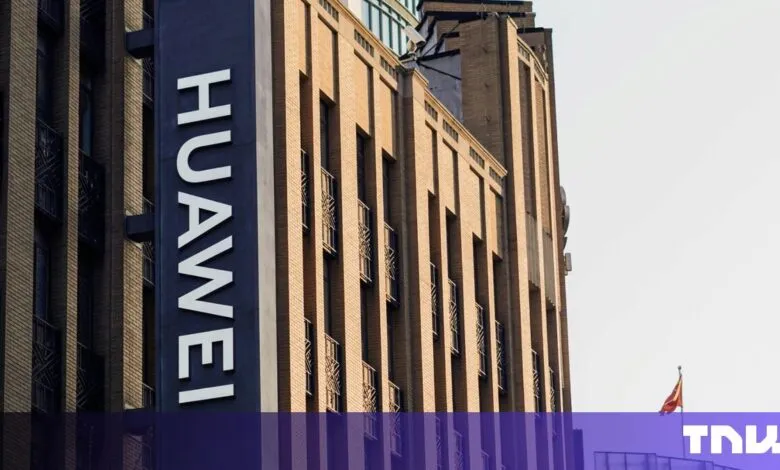
Chinese technology giant Huawei is reportedly developing a high-bandwidth memory (HBM) architecture that could significantly disrupt the global semiconductor market. According to reports from Bloomberg, the company has engineered a design featuring double the data pin density compared to the HBM chips currently mass-produced by South Korean leaders Samsung and SK Hynix. This advancement aims to provide faster data transfer rates to AI processors, addressing a critical bottleneck in artificial intelligence computing power.
The details of this potential breakthrough were highlighted in the title of a technical paper Huawei plans to present at a conference in San Francisco this February. While the theoretical implications suggest superior performance, it remains uncertain whether Huawei has progressed beyond the design phase to actual manufacturing. In the tech industry, presenting architectural concepts at conferences often serves to share research ideas rather than showcase fully realized commercial products. Huawei did not immediately respond to inquiries regarding the status of its production capabilities.
This development comes at a pivotal moment for China’s semiconductor sector. US export controls have effectively barred Samsung, SK Hynix, and Micron from selling HBM to Chinese entities. Consequently, domestic stocks of foreign-made high-end memory are dwindling. The pressure on supply chains has led to reports that Huawei may rely on smuggled Korean HBM to support its upcoming Ascend AI chips, underscoring the urgency of achieving domestic self-sufficiency. Producing home-grown HBM would bridge one of the most significant gaps in China’s efforts to build an independent chip ecosystem. Other domestic players, such as memory manufacturer CXMT, are also attempting to enter the HBM market, though they face challenges with low production yields.
Huawei has previously demonstrated resilience against US sanctions through innovative engineering workarounds. In June, the company unveiled a chip design strategy claiming the ability to produce performance equivalent to 1.4nm-class semiconductors by 2031, even without access to the most advanced lithography equipment. The news of its potential HBM advancements had an immediate impact on financial markets, causing shares of Samsung, SK Hynix, and Micron to drop. These competitors have seen substantial growth recently; for instance, Micron reported that its quarterly revenue roughly quadrupled earlier this year, driven largely by surging demand for AI-related memory solutions.
(Source: The Next Web)