Why Apple Should Have Made the MacBook Logo RGB

▼ Summary
– Apple introduced a light-up lid logo on the PROLED MacBook Pro, reviving a nostalgic feature from older MacBooks that was discontinued in 2015.
– Unlike previous models illuminated by screen backlights, this new logo uses four white LEDs synced to screen brightness via software rather than hardware backlighting.
– The current implementation only supports white light, preventing the RGB customization often associated with gaming laptops despite Apple’s interest in that market.
– Users can control the logo’s behavior through Terminal commands or third-party apps like LogoLight, which allow for pulsing and music-synced effects but no color changes.
– The article suggests that future MacBooks could benefit from multicolor LED capabilities as part of Apple’s ongoing experimentation under CEO John Ternus.
A Nostalgic Return with Limited Potential
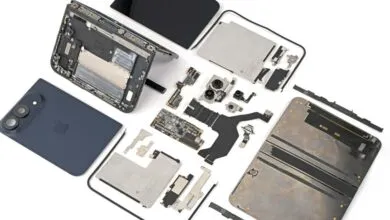
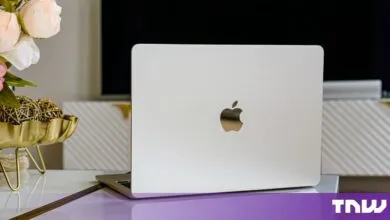
When Apple CEO John Ternus unveiled the first touchscreen Mac last month, the audience’s reaction focused less on the PROLED MacBook Pro’s OLED display or its sleeker chassis and more on the illuminated lid logo. This design choice harks back to the light-up badges found on older MacBooks, a feature Apple began retiring in 2015 and fully eliminated by the time the 2018 MacBook Air was redesigned. While clearly a nod to nostalgia, the execution proved highly effective. The new logo’s brightness syncs with the screen, dimming as the display dims and brightening as the screen intensifies. However, because OLED panels lack a traditional backlight, the illumination relies on four white LEDs controlled via software, a technical detail revealed through an iFixit teardown. This hardware limitation suggests that Apple could have utilized RGB LEDs instead of single-color white ones.
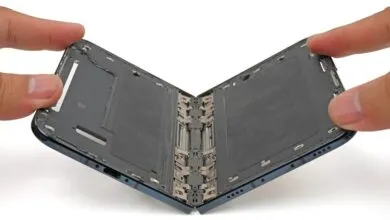
The possibility of displaying red, orange, yellow, green, blue, indigo, violet, or any shade in between remains unexplored. Such customization would align with Apple’s stated interest in gaming, where multicolor lighting is often seen as a hallmark of enthusiast hardware. The current implementation features a white-lit logo on the PROLED model, contrasting sharply with the opaque black logos on other MacBooks. Although some users hoped for customizable cutouts similar to those on Microsoft’s Elite Series 2 controllers, this functionality is absent. Users can disable the illumination using Terminal commands or manage it through third-party applications, but the light itself remains strictly white. Furthermore, the teardown highlighted the difficulty of accessing the internal LEDs; the process caused the screen to delaminate and break. Consequently, DIY RGB modifications are unlikely unless individuals are willing to void their warranty and risk expensive repairs on a device costing upwards of $3,000.
Software Workarounds and Future Possibilities
For those seeking visual flair, free third-party apps like LogoLight offer some control over the lid’s behavior. These tools allow the logo to pulse, breathe, sync with music beats, or flash Morse code. While entertaining, these effects lack color variation, which would significantly enhance the experience. Critics argue that while MacBooks are not primarily gaming machines, incorporating multicolor LEDs could serve as a clever Easter egg. The inclusion of a touchscreen on a MacBook defied previous expectations, signaling a shift in product strategy. Additionally, devices like the iPhone Duo and HomeView demonstrate that Apple is entering a new era of experimentation under Ternus’s leadership. If the illuminated logo eventually appears on future MacBook Air models or a hypothetical MacBook Neo, Apple might consider expanding the color palette to further engage users.
(Source: The Verge)