Ring Drone Lacks Manual Controls After CBS News Crash
▼ Summary
– Ring’s upcoming Drone Cam will launch in January without manual pilot controls, relying exclusively on an autonomous AI Pilot system.
– A recent demonstration for CBS News showed the drone crashing twice when Jo Ling Kent attempted to manually fly it using early development software.
– Ring attributed the first crash to a malfunction in collision avoidance and the second to a loss of internet connectivity which prevented the drone from landing safely.
– Despite testing manual controls during development, Ring decided to exclude them from the final consumer product to prioritize the autonomous patrol experience.
– Ring declined to provide further details or app demonstrations, stating that autonomous flight offers the best benefit and customer experience.
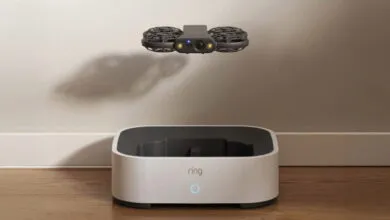
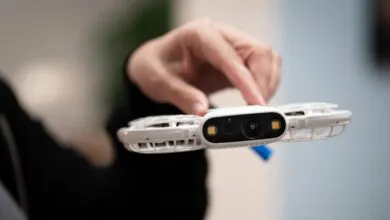
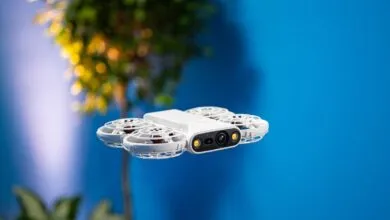
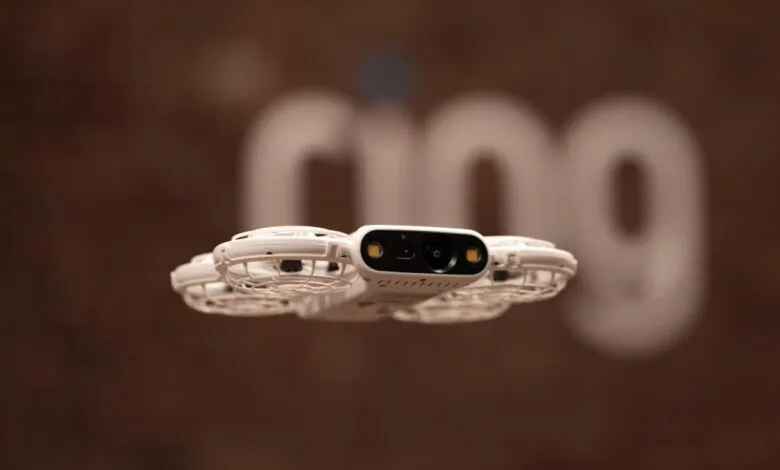
Ring’s upcoming security drone will launch without manual flight controls, a decision that appears underscored by a recent mishap involving CBS News. The device, scheduled for release in January, depends entirely on an AI Pilot system to navigate pre-programmed routes and avoid obstacles autonomously. This lack of user piloting capability was highlighted during a demonstration where the unit crashed while being manually operated, suggesting significant stability concerns with direct human input.
The incident occurred during a segment on CBS Mornings, where Ring founder Jamie Siminoff demonstrated an early prototype to technology reporter Jo Ling Kent. During the exchange, Siminoff confirmed that manual functionality existed within the software at that stage. “Can I control it?” Kent asked. Siminoff responded, “Yeah, so we can load manual controls.”
The subsequent footage revealed two separate crashes during this manual test. In the first instance, Ring attributed the failure to a malfunction in the collision avoidance technology and refused to provide the drone’s internal recording of the event. The second crash was captured on camera, showing the drone striking a wall after ignoring manual commands. Siminoff explained the technical reason for this loss of control, stating, “If it loses connectivity, it’s supposed to stop and land. It did not there.” He noted that the drone relies on internet connectivity for both autonomous navigation and remote operation, and the signal drop caused the erratic behavior.
Following this public demonstration, Ring has clarified that consumer units will not support manual piloting. A spokesperson emphasized that the company prioritized autonomous features for the final product. “We explored a lot of features throughout the development, but autonomous flight to patrol points using the AI Pilot is the best customer benefit and experience,” said Sam McGee, a Ring spokesperson.
When asked if the choice to remove manual controls was influenced by the CBS News crash, Ring did not respond. However, the company declined to allow independent testing of the app interface, insisting that the Drone Cam functions exclusively on pre-set paths. While manual controls were present in earlier development phases, they have been excluded from the January launch version, leaving users with no option to steer the device themselves.
(Source: The Verge)