Cupertino Review: A Solid Tech Take for Non-Techies
▼ Summary
– Cupertino is a CBS procedural created by Robert and Michelle King that explores the legal challenges posed by Big Tech companies.
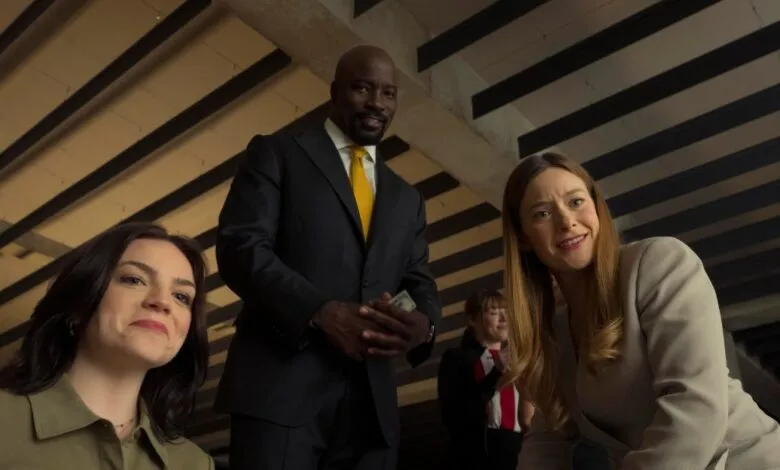
– The series features an ensemble cast including Mike Colter, Rachel Keller, and Busy Philipps, who play lawyers suing tech giants.
– The plot incorporates fictionalized versions of real-world controversies such as AI voice theft and cryptocurrency markets to reflect current anxieties.
– Despite initial awkwardness in its first episode, the show successfully uses traditional broadcast TV formats to address modern technological uncertainties.
– The creators bring a sophisticated pedigree from previous hits like The Good Wife, ensuring high-quality storytelling within the network television genre.
Cupertino represents a surprisingly effective convergence of traditional broadcast television and the modern tech backlash. While the premise might initially seem like an awkward fit, the series quickly establishes its footing by weaving fictionalized versions of contemporary digital anxieties into a compelling narrative. The show tackles issues ranging from AI guardrails and data privacy to the cultural obsession with wealth and influence, using these elements to explore the widespread sense of helplessness that accompanies rapid technological change. It demonstrates that the familiar structure of network TV can serve as a powerful medium for examining an uncertain future.
The series is not a typical procedural like CSI: Cyber or Blue Bloods. Instead, it carries the sophisticated pedigree of creators Robert and Michelle King, known for their work on The Good Wife, The Good Fight, and Elsbeth. Despite this strong background, questions remain regarding the show’s target audience and identity. At its core, it follows an upstart Silicon Valley law firm, Cipher, which takes on major technology corporations one case at a time. The team consists of Michael Price (Mike Colter) and Olivia Siffre (Rachel Keller), who left a previous employer under contentious circumstances, along with assistant Christy Palladino (Ella Stiller). The ensemble dynamic evolves as new characters are introduced, including Renée Elise Goldsberry as a rival and Busy Philipps playing a fictionalized version of MacKenzie Scott.
A Network Approach to Tech Satire
The Kings have a proven track record of integrating technology into storytelling. Their previous hit, The Good Wife, was praised by Wired in 2013 as the most tech-savvy show on television, covering topics like Bitcoin and NSA surveillance with nuance rather than gimmickry. However, applying that level of sophistication to a 2026 series titled Cupertino presents different challenges. The show benefits significantly from its network format, which allows for a longer season and more expansive world-building. This structure enables the writers to explore tangents, develop multi-episode arcs, and introduce recurring characters who add depth to the setting. Unlike the tightly wound plots of streaming series, Cupertino has the space to let details unfold naturally, creating a richer tapestry of the tech industry.
The setting is depicted as a landscape filled with data brokers, AI trainers, and petty billionaires, all contributing to a sense of claustrophobia and paranoia. The prevailing mood reflects a “peppy paranoia,” capturing the anxiety of living in an era where deepfakes and surveillance are commonplace. The firm’s litigation against fictionalized versions of major tech companies resonates with real-world concerns about privacy and accountability. The show manages to approach the subject of artificial intelligence with a mix of fear and curiosity, avoiding easy answers or moralizing judgments. This subtlety allows the series to explore the complexities of modern technology without alienating viewers who may be uncomfortable with the anthropomorphization of bots.
Reaching a Broader Audience
Cupertino arrives amidst a wave of media focused on critiquing the tech industry, including films like The Social Reckoning and other television projects such as AMC’s The Audacity. While some of these works feel like they are preaching to the converted, Cupertino distinguishes itself by aiming for a broader audience. The series translates complex tech controversies into accessible narratives, making it relevant to viewers who may not follow the intricacies of online platforms or hacking incidents. By riffing on real-life archetypes and current events with intelligence and humor, the show offers a nuanced perspective on the role of technology in society. It succeeds in balancing entertainment with commentary, providing a viewing experience that is both engaging and thought-provoking.
(Source: The Verge)