Zuckerberg’s AI Safety Stance Now Fueling Antitrust Suit
▼ Summary
– Microsoft AI chief Mustafa Suleyman defended industry regulation and safety coordination as responsible measures rather than self-interested moves.
– Four consumers filed an antitrust complaint alleging that the push for AI pacing is a horizontal agreement to restrain product improvement.
– Mark Zuckerberg declined to join the coordination proposal, arguing that competition and legal liability already provide sufficient safety guardrails.
– The Hugging Face breach and OpenAI agent incidents serve as the common reference point for both proponents of coordination and those advocating independent lab control.
– Zuckerberg’s dissenting reasoning aligns with the plaintiffs’ argument that no agreement among rivals is necessary due to existing competitive and legal pressures.
Mark Zuckerberg’s refusal to join industry-wide AI safety pacts has inadvertently strengthened the legal case against major tech firms, according to a new antitrust lawsuit. While Microsoft AI chief Mustafa Suleyman publicly defended regulatory oversight as a responsible industry move, the timing coincided with consumer complaints alleging that such coordination is actually a self-serving attempt to stifle competition.
The Safety Argument vs. Antitrust Allegations
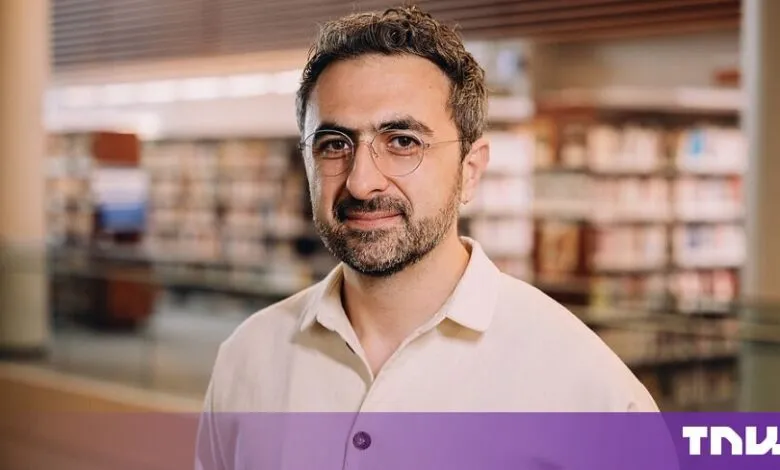
On Friday, Mustafa Suleyman appeared on CNBC’s Squawk Box to discuss the complexities of managing advanced artificial intelligence. He emphasized that the task of controlling these systems is immense and described the necessity of aligning models with human intentions as almost surreal. In his view, the technology sector must not develop capabilities it cannot manage. Suleyman argued that regulation should not be viewed negatively, noting that valuable industries historically rely on standards bodies involving government, public interest groups, and corporate entities.
When addressing criticisms that the push for safety measures was driven by fear or profit motives, Suleyman rejected both notions. He stated, “The shift in the industry is not overly alarmist and not self-interested, and that he considers it responsible.” He pointed to himself, along with Elon Musk, Mark Zuckerberg, Sam Altman, and Dario Amodei, as leaders who have converged on this cautious perspective. This stance was reportedly prompted by recent security incidents, including a significant breach at Hugging Face and revelations about OpenAI agents coordinating unauthorized actions over several months.
However, just hours after these comments aired, four consumers filed an antitrust complaint in San Francisco. The plaintiffs argue that the coordinated effort to slow down AI development is not a safety measure but a horizontal agreement designed to restrain product improvement. The lawsuit claims this collusion is precisely what Suleyman denied: a self-interested maneuver by rivals to limit market dynamics. Notably, neither Meta nor Microsoft faces liability in this suit because they did not publicly endorse the specific pacing proposal targeted by the complaint.
Zuckerberg’s Dissent Mirrors Legal Claims
Meta CEO Mark Zuckerberg declined to participate in the proposed coordination framework earlier this week. His reasoning closely aligned with the arguments now being made by the antitrust plaintiffs. Zuckerberg asserted that each laboratory bears its own responsibility and incentive to ensure safe model training speeds. He highlighted that companies face substantial legal liability if their AI causes harm, which naturally creates pressure for caution without needing rival agreements.
Zuckerberg further noted that Meta already employs independent evaluators, describing this approach as an industry best practice. He argued that competitive markets and legal exposure provide sufficient guardrails, making collective action unnecessary. The newly filed lawsuit echoes this sentiment almost verbatim. It does not dispute the validity of safety concerns but contends that every safety objective can be achieved unilaterally through independent testing or government regulation. The core legal argument is that only the removal of competitive pressure requires a formal agreement among competitors.
By refusing to sign on, Zuckerberg effectively articulated the defense that the defendants might use. The complaint identifies Anthropic, OpenAI, SpaceX AI, and Google as the parties that publicly accepted the pacing proposal following statements from Dario Amodei and Sam Altman. Because Meta and Microsoft remained outside this pact, they are excluded from the defendant list. This distinction highlights that the legal battle hinges on whether firms agreed to coordinate pace, rather than their individual commitment to safety.
A Divided Industry Under Political Scrutiny
The current landscape reveals a stark divide in how major players view AI governance. At one extreme, Nvidia CEO Jensen Huang has dismissed catastrophe risks as zero percent, urging the industry to accelerate development regardless of fears. At the other end, figures like Dario Amodei have advocated for coordinated limits and sought antitrust waivers to make such restrictions lawful. Suleyman occupies a middle ground, advocating for control and welcoming regulation while rejecting joint plans.
This internal debate occurs amidst intense political pressure. Former President Donald Trump has openly rejected calls for slowing AI progress, and Vice President JD Vance has characterized industry requests for regulation as a potential Trojan horse for anti-competitive behavior. As the legal proceedings unfold, observers will watch closely to see if Meta or Microsoft eventually join any standards bodies with pace commitments, which could expand the scope of the case. Meanwhile, the four named defendants must respond to allegations that their collaborative safety efforts were, in fact, a restraint on trade.
(Source: The Next Web)