ScrollEd Turns Textbooks Into TikTok-Style Content
▼ Summary
– Startup ScrollEd is pitching a novel educational app at the TechCrunch Disrupt Startup Battlefield 200 competition.
– The application converts traditional text files like PDFs into interactive, short-form video feeds similar to TikTok or Instagram Reels.
– Co-founders Utsav Gupta and Rebecca Neff developed the tool to address student dissatisfaction with doomscrolling by making deep learning more accessible.
– The business model includes a free consumer feed, paid subscriptions, and institutional licenses that provide engagement data to educators.
– Future plans involve expanding the lesson library, verifying sources, and developing infrastructure for adaptive learning assessments.
Rethinking Digital Consumption for Education
For years, critics have blamed doomscrolling for eroding attention spans and making deep reading feel impossible. The prevailing wisdom suggests that to fix our fractured focus, we must stop scrolling altogether. However, a new startup called ScrollEd is challenging this assumption by proposing a different solution: rather than fighting the habit of endless swiping, educators should make the content itself worthy of that engagement. Based in Palo Alto, ScrollEd is currently showcasing its innovative approach at the TechCrunch Disrupt Startup Battlefield 200 competition, arguing that if students refuse to engage with traditional textbooks, those materials need to adapt to the digital formats they already inhabit.
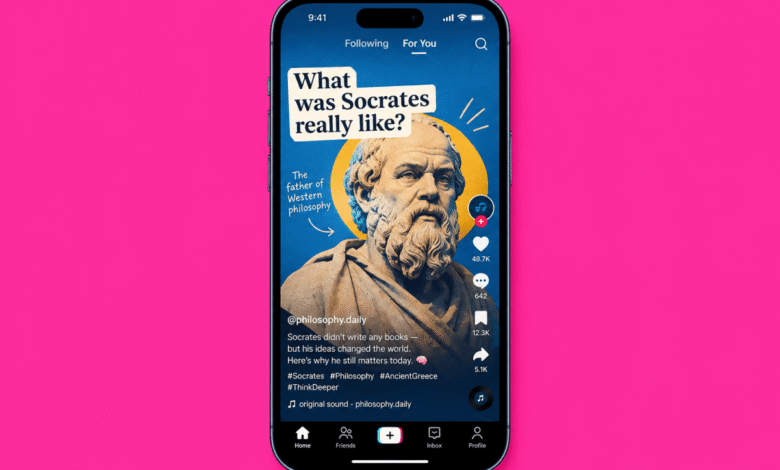
The core product is an application that transforms static documents, such as PDFs or textbook chapters, into a dynamic, vertical feed reminiscent of TikTok or Instagram Reels. As users scroll upward, they encounter AI-generated video, audio clips, text snippets, or interactive quizzes. The interface is designed to balance breadth and depth; while swiping up reveals new topics, a sideways gesture allows users to dive deeper into the current subject, culminating in a knowledge check quiz. This structure aims to maintain the addictive flow of social media while embedding educational rigor directly into the user experience.
Meeting Users Where They Are
The design philosophy behind ScrollEd is rooted in the changing media consumption habits of younger demographics. Utsav Gupta, co-founder of the company, highlighted the specific challenges posed by the shift toward short-form content.
“The younger generation is increasingly going short form, vertical feed only (especially the 18 year olds we’ve spoken to!), and this poses challenges for any kind of media that requires depth,” Gupta told TechCrunch in an email. “We want to meet them where they are…We just have to be deliberate about how we use it and choose not to maximize engagement on the platform.”
Gupta emphasized that the goal is not to trap users in a loop of passive consumption but to use curiosity as a gateway to learning. He explained the strategic intent behind the app’s mechanics: “A short video can make you curious; following that curiosity can mean searching for another explanation or leaving the app. We wanted going deeper to be as easy as moving to the next video.” This approach seeks to harness the neurological rewards of social media interaction without sacrificing academic substance.
From Bootstrapping to Institutional Scale
ScrollEd was bootstrapped earlier this year by Gupta and his wife, Rebecca Neff, after both founders recognized their own dissatisfaction with mindless late-night scrolling. Their personal motivation is backed by serious academic credentials; Gupta is studying AI and human purpose at Stanford University, while Neff pursues computer science at the University of Pennsylvania. These insights into technology and education inform the startup’s roadmap, which targets three distinct markets: individual consumers seeking better content, corporate training departments, and educational institutions.
The business model operates on a freemium structure. The consumer version offers a free feed, supported by paid ScrollEd Pro subscriptions and annual licenses for institutions. For schools and corporations, the platform provides educational material delivery alongside detailed analytics, including reports on student engagement, lesson progress, and other performance data. This data-driven approach allows educators to tailor content effectively, moving beyond one-size-fits-all instruction.
Looking ahead, ScrollEd plans to prioritize its consumer launch while simultaneously expanding its library of lessons and refining its source-checking workflows. The company is also developing pilot programs for institutional partners and building infrastructure that will eventually enable personalized learning assessments. The ultimate vision, according to Gupta, is to create a more humane digital environment. “The ambition is a social network that’s better for you,” he said.
(Source: TechCrunch)