IFA 2026’s Weirdest Tech: The Wackiest Gadgets Rated

▼ Summary
– The article reviews several unusual tech products showcased at the IFA expo in Berlin, highlighting items that range from impressive to bizarre.
– Govee displayed a mood-responsive skylight that uses AI to suggest lighting colors based on user input or mimics natural daylight.
– Nuvell presented a large countertop appliance capable of making tofu and other plant proteins from legumes in approximately 30 minutes.
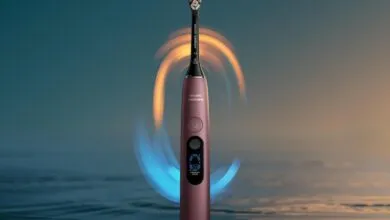
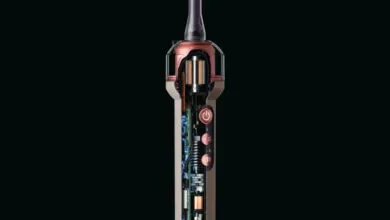
– Dyson introduced the Camerajet toothbrush, which features a built-in camera and AI for gap optical targeting to analyze teeth cleaning.
– The author evaluates the practicality of these gadgets, questioning their utility despite their innovative concepts and novelty.
– Foldable phones and robot vacuums were also present but overshadowed by the more eccentric inventions discussed in the report.
The Bizarre Side of IFA 2026
Berlin’s IFA 2026 has concluded, and while the expo floor was packed with sensible upgrades for home automation and personal computing, it also served as a stage for technology that defies conventional logic. Amidst the sea of standard robot vacuums, foldable smartphones, and noise-canceling headphones, several gadgets stood out for their sheer strangeness. We tracked down the most peculiar innovations on display to evaluate not just how they work, but whether they actually serve a practical purpose in modern life.
Lighting That Reads Your Mind?
Govee continued its tradition of eccentric home lighting by unveiling a mood-responsive skylight. This dome-shaped fixture aims to mimic the natural sky, utilizing AI to interpret your emotional state via voice commands. The accompanying app suggests color schemes based on your current mood or random thoughts, alongside specific blue wavelengths designed to simulate daylight.
While the concept sounds gimmicky, the underlying AI functionality is real. Previous testing confirmed that Govee’s system can indeed generate lighting patterns from verbal inputs. However, given the extensive library of pre-set scenes already available in the app, the utility of this new feature remains questionable. It is certainly entertaining, but its practical value as a primary lighting solution is debatable.
Countertop Tofu Production
For those with ample counter space and a desire for fresh plant protein, Nuvell presented a massive appliance comparable in size to an espresso machine. The Nuvell plant protein maker processes beans into solid blocks of tofu in as little as 30 minutes. It is capable of producing various vegan proteins depending on the legume used.
When asked if the device could produce cheese from cow’s milk, a representative claimed it was possible, though her confidence appeared low. While the mechanical process of converting soybeans to tofu is straightforward, the real question is whether consumers will sacrifice valuable kitchen real estate for a single-purpose appliance.
Dental Surveillance
Dyson introduced the Camerajet, a toothbrush equipped with a camera featuring “Gap Optical Targeting.” The device captures 28 images per second, which an AI analyzes to identify interdental gaps. Users then direct a water jet to clean these specific areas. The catch? You must hold your phone up to view the magnified feed while simultaneously brushing and flossing.
The device carries a premium price tag of $500. This setup strikes many as overly complicated and intrusive. Standing with a toothbrush in one hand and a phone in the other, attempting to hit tiny gaps based on a live screen feed, seems unnecessary when traditional brushing and flossing techniques are proven effective.
Bedside Cleaning Robots
Creatulize showcased the X1 Pro, described as the smallest robot vacuum in Berlin. This second-generation device is dedicated exclusively to cleaning mattresses and bedding. It moves slowly across surfaces to remove dust, mites, and hair, taking approximately 20 minutes for a king-size bed. Specialized sensors prevent it from falling off edges.
Mattress vacuums are gaining traction due to concerns about allergens in bedding. Whether a dedicated robot is necessary versus a handheld unit remains open for debate, but the X1 Pro offers a hands-free solution for maintaining hygiene standards in sleeping areas.
Personal Climate Control
Midea unveiled an air conditioning system that uses spatial imaging and sensors to track user movement. Instead of cooling an entire room, the unit directs a stream of cool air specifically to where you are sitting or standing. This targeted approach aims to reduce energy waste while increasing personal comfort.
The system integrates with Midea’s humidifiers through smart sync technology to maintain optimal temperature and humidity levels. Voice activation allows users to control the device without using a smartphone. While similar tracking technology exists in fans, Midea’s integration into central air conditioning represents a significant step toward personalized environmental control.
The AI Listening Pin
SwitchBot launched the MindClip, an AI-powered pin designed to clip onto clothing. It records audio within a three-meter radius for up to 20 hours, using voice recognition to identify speakers and summarize conversations. The goal is to help users plan after busy days by retaining details from interactions.
Despite being the smallest and least obtrusive AI pin seen so far, the category has struggled to gain mainstream adoption. Privacy concerns regarding recording strangers linger, and previous iterations have failed to take off. Unless major tech giants like Apple integrate similar capabilities into existing hardware, standalone AI pins may remain niche novelty items.
Lifelike AI Companions
Intimacy toy manufacturer Lovense displayed an updated version of its AI companion doll. This silicone figure features advanced robotics allowing it to blink, smile, and track voices. It remembers past interactions and adjusts its personality accordingly. Users can engage in roleplay scenarios or chat remotely via a mobile app.
Priced between $4,000 and $8,000, this product targets a very specific demographic. While the technology is impressive, the high cost and specialized nature of the product limit its appeal to the general public. Lovense also showcased more conventional, non-AI toys during the event.
Fall Detection Sensors
Eufy, Anker’s home security brand, introduced a wall-mounted sensor designed specifically to detect falls. Utilizing mmWave technology and algorithms, the device monitors presence without cameras, addressing privacy concerns for aging-in-place scenarios. If a fall is detected, the sensor triggers an alert and enables two-way audio for immediate check-ins.
This application of mmWave technology is distinct from Wi-Fi sensing methods seen previously. By focusing solely on fall detection and communication, Eufy has created a strong use case for seniors living alone, offering peace of mind without invasive surveillance.
Smart Pet Collars with AI Interpretation
Ucloudlink presented the Petpogo PetPhone, a smart collar that claims to interpret pet emotions and behaviors through AI. Features include two-way audio, geofencing, and alerts for unusual activity. The device theoretically allows pets to initiate calls based on specific behaviors.
However, the claim that AI can accurately translate barks or meows into complex emotions is currently scientifically dubious. While the tracking and audio features are functional, the predictive behavior analysis remains unproven. The core utility of the collar is sound, but the AI marketing hype exceeds current technological capabilities.
Headphones That Become Speakers
TDM exhibited the Neo headphones, which physically transform into a Bluetooth speaker. By twisting and collapsing the earcups, the device converts from personal audio gear to a portable speaker with eight hours of playback time. It includes an aux port and USB-C charging.
The concept ignores social norms regarding public audio consumption. Most people prefer private listening experiences, and sharing music publicly through a device meant for individual use is generally frowned upon. The hybrid design adds complexity without solving a common problem, making it a curious failure in ergonomic design.
Vibrating Sleep Aids
Amada introduced the Soundwave Smart Mattress, which uses vibration modes to promote relaxation, meditation, and focus. Connected to a smartphone app, the mattress employs polyurethane foam and polyester fabric to deliver vibroacoustic therapy.
While vibration therapy has legitimate applications in recovery and treatment, its efficacy for sleep aid is less clear. The idea of a shaking bed may appeal to some, but for the average consumer, the novelty might wear off quickly. It remains an experimental addition to the sleep tech market.
(Source: CNET)