NTSB: Tesla driver who blamed Autopilot floored accelerator
▼ Summary
– Butler searched for terms like “Tesla FSD not aggressive enough” before the crash, indicating concerns about the autopilot’s performance.
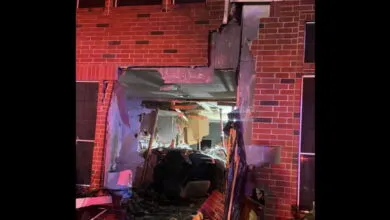
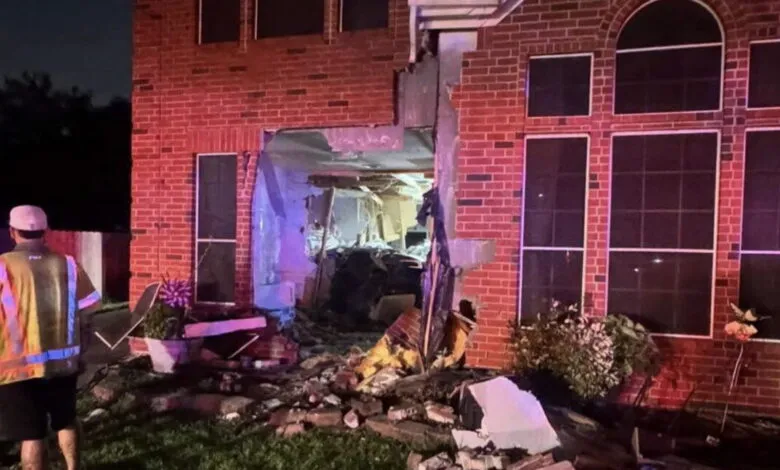
– The Tesla failed to make a left turn, instead speeding over 70 mph and striking a home, killing 76-year-old Martha Avila.
– Butler has been charged with manslaughter and is jailed with a $150,000 bond.
– Avila’s family has filed a lawsuit against both Butler and Tesla, alleging negligence and a possible defect called “Sudden Unintended Acceleration.”
– The NTSB and NHTSA are both investigating the crash to determine its cause and prevent similar incidents.
New evidence reveals that the driver of a Tesla involved in a fatal crash had been searching for ways to make the vehicle’s Autopilot system more aggressive just before the incident. According to ABC News, phone records show Butler queried terms like “Tesla FSD not aggressive enough 2026,” “Tesla not aggressive enough,” and “Tesla FSD too timid.”
Had the car successfully followed the course Butler allegedly set before losing consciousness, it would have turned left, avoiding the family home where 76-year-old Martha Avila was killed. Instead, ABC News reports that in the six seconds leading up to the crash, the Tesla accelerated beyond 70 mph and continued straight after the accelerator pedal was pressed “all the way down.”
The National Transportation Safety Board (NTSB) stated that “security camera footage showed the car’s path of travel as it continued straight through the intersection, departed the roadway, and struck the residence.”
Butler now faces manslaughter charges and is being held on a $150,000 bond, according to ABC News. In addition to the criminal case, Avila’s surviving family has filed a lawsuit against both Butler and Tesla, alleging negligence and blaming both parties for the crash.
While police initially found no evidence of a mechanical malfunction, the family’s lawsuit argues that Butler’s car may have been defective. They point to a known Tesla issue called “Sudden Unintended Acceleration,” which can occur when “components of the vehicle require additional power” and the battery draw causes “significant spikes in the system.” In such a scenario, the inverter might “incorrectly interpret that the accelerator pedal has been pressed,” leading to rapid, unsafe acceleration.
The NTSB has confirmed that “all aspects of the crash remain under investigation while the NTSB determines the probable cause, with the intent of issuing safety recommendations to prevent similar crashes.” Separately, the National Highway Traffic Safety Administration (NHTSA) has opened a special investigation into the matter.
(Source: Ars Technica)