NHTSA Probes Fatal Tesla Autopilot Crash That Killed Woman in Home
▼ Summary
– A 76-year-old Texas woman, Martha Avila, died after a Tesla Model 3 crashed into her home at high speed.
– The driver, Michael Butler, told police he was using Tesla’s automated driving-assistance system at the time of the crash.
– Butler was not intoxicated, is cooperating with police, and is helping them understand how Autopilot works.
– Avila was standing in the front room of the home, where she lived with her daughter, son-in-law, and three grandkids; no one else was hurt.
– The family is staying in a hotel while mourning and waiting for answers about whether the driver or the car is to blame.
A tragic incident in Texas has sparked a fresh federal investigation into Tesla’s Autopilot system, after a driver reportedly relying on the feature crashed into a home, killing a 76-year-old woman. The National Highway Traffic Safety Administration (NHTSA) is now probing the crash, which occurred Friday in Harris County.
According to the Harris County Sheriff’s Office, the driver, Michael Butler, told authorities he had engaged Tesla’s automated driving-assistance mode at the time of the accident. Butler lost control of his Model 3, veered out of his lane, and struck a residence at a “high rate of speed,” officials confirmed. He was not intoxicated and has been cooperating with investigators, even helping them understand how the Autopilot feature operates.
The victim, Martha Avila, was standing in the front room of the home she shared with her daughter, son-in-law, and three young grandchildren. Her daughter, Jennifer Barbour, told local media that no one else was injured, but the family is “devastated.” Barbour described her mother as healthy and active, saying she expected her to live well into old age. “She didn’t deserve to go that way,” Barbour said.
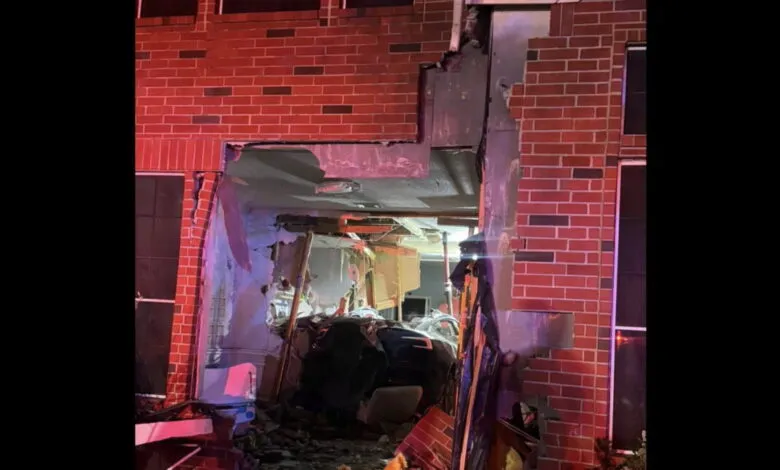
Doorbell camera footage obtained by The New York Times captures the moment the Tesla slammed through the brick exterior of the home. Photos shared by the Office of Constable Terry Allbritton show extensive damage to the property. The family is now living in a hotel, grappling with grief and unanswered questions about whether the driver or the car’s self-driving technology is responsible.
“I don’t know if it’s his fault or the car’s fault or what really happened,” Barbour said. “I’ve never seen a car go that fast.”
The crash adds to a growing list of incidents involving Tesla’s driver-assistance systems, which the company markets as Autopilot and Full Self-Driving. NHTSA has opened multiple investigations into such crashes in recent years, though regulators have yet to mandate significant changes to how the technology is deployed. For the Avila family, the focus remains on finding accountability and mourning a life cut short.
(Source: Ars Technica)