SpaceX gets FAA approval for next Starship flight after May failure

▼ Summary
– The FAA cleared SpaceX to fly Starship again after the company identified the probable cause of the Super Heavy booster failure during a May flight.
– SpaceX’s next Starship V3 test flight could occur as soon as July 16 and will be the first to carry operational third-generation Starlink satellites.
– The May test’s booster failure was caused by improper engine startup during separation, leading to a 90-degree turn; SpaceX modified the engine sequence to fix this.
– The FAA determined the booster failure’s root causes were heat effects on propulsion components and erroneous engine alarm settings, prompting changes to alarm and abort systems.
– The upcoming flight aims to deploy 20 V3 Starlink satellites with laser links, which are critical to SpaceX’s profitability and future plans for reusable rockets.
The Federal Aviation Administration has officially cleared SpaceX to resume flights of its Starship rocket system, following a thorough investigation into the booster failure that occurred during a test in May. The company now has the green light for its next launch, which could take place as early as Thursday, July 16.
This upcoming mission will mark only the second flight of the third-generation (V3) Starship and the first time the rocket will carry actual payloads. According to SpaceX, the vehicle will deploy the first batch of third-generation Starlink satellites, a significant step up from previous test flights that only carried dummy versions. These new satellites are designed to increase network capacity and improve user speeds, connecting with the broader Starlink constellation via high-capacity lasers.
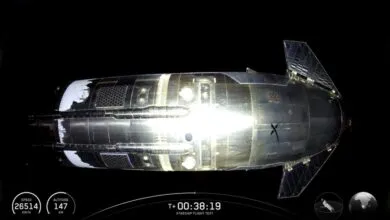
The May 22 test flight was largely considered a success. The Super Heavy booster lifted the 407-foot rocket into space, the upper stage separated, and it successfully deployed 20 satellite simulators along with two modified Starlink units that captured footage of the rocket’s exterior. However, the booster’s return to Earth did not go as planned. Its engines failed to re-ignite properly, causing it to crash into the Gulf of Mexico instead of executing a simulated landing.
SpaceX and the FAA have since identified the root causes of the failure. SpaceX explained that “slight differences in engine startup on the ship” caused the booster to turn 90 degrees in the wrong direction. The company has since modified the engine startup sequence to ensure the booster flips in the correct direction and has made changes to improve re-light reliability. The FAA added that heat effects on propulsion components during ascent and erroneous engine alarm settings were also contributing factors. In response, SpaceX has updated its engine alarm and abort systems to reduce the likelihood of a similar failure.
The upper stage of the V3 Starship also encountered issues during the May flight. It lost one of its three Raptor engines designed for vacuum operation, though it still managed to deploy its test payload and simulate a landing. SpaceX says it has implemented “several hardware and operational modifications” to prevent this problem from recurring.
The upcoming test flight will see the deployment of 20 V3 Starlink satellites. These satellites are designed to burn up in the atmosphere about 20 minutes after deployment, with six of them equipped with cameras to photograph the exterior of the Starship. This mission is critical for SpaceX, as both the V3 Starship and V3 Starlink are central to the company’s long-term ambitions. Starlink was the only profitable segment of SpaceX’s business leading up to its record-breaking IPO on June 12, which raised nearly $86 billion and made the company one of the ten most valuable in the world. A fully reusable Starship is essential for SpaceX’s plans to build space-based data centers and pursue interplanetary travel.
(Source: TechCrunch)