China Unveils World’s Fastest Supercomputer
▼ Summary
– China has reclaimed the world’s fastest supercomputer title with its LineShine system, ranking first on the TOP500 list for the first time since 2018.
– LineShine outperformed El Capitan, the previous top supercomputer from the US, despite US trade restrictions limiting sales of high-powered computing components to China.
– The US still dominates the TOP500 list, holding three of the top five spots.
– LineShine operates without using any GPUs, which are typically essential components in modern supercomputers.
– China’s achievement serves as a political message to the US government, which has sought to restrict China’s tech capabilities.
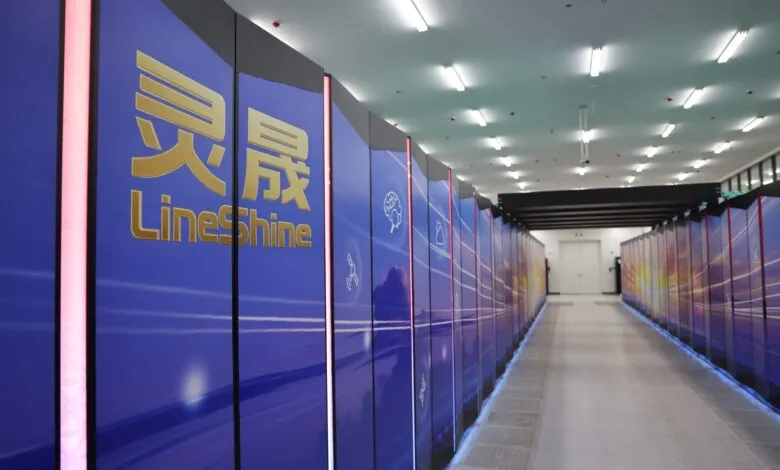
Despite ongoing U.S. trade restrictions on advanced computing hardware, China has once again claimed the top spot on the global supercomputing leaderboard. The nation’s new system, LineShine, has overtaken El Capitan to become the world’s fastest supercomputer, marking China’s return to the number one position on the TOP500 list for the first time since 2018.
This achievement is particularly striking given the strict limitations placed by the United States on the sale of high-performance computing components to China. American firms still dominate the rankings, holding three of the top five positions. However, LineShine defies expectations in another critical way: it does not rely on any GPUs, the specialized processors that have become the standard backbone for modern supercomputing systems.
Beyond the obvious prestige and bragging rights, this milestone sends a clear signal from Beijing to Washington. The Trump administration’s efforts to curb China’s technological progress through export controls have been aggressive. Yet, LineShine demonstrates that China has found a path forward, leveraging homegrown innovation to build a world-class machine without the components that U. S. policy aims to restrict.
(Source: The Verge)