ALS Patient Regains Speech and Full-Time Work via Brain Implant
▼ Summary
– UC Davis researchers developed a brain-computer interface enabling communication and digital interaction for people with severe paralysis.
– The study, published in Nature Medicine, describes a BCI with advanced algorithms that translate neural signals into text.
– The interface also allows cursor control, letting users interact with a computer without researcher assistance.
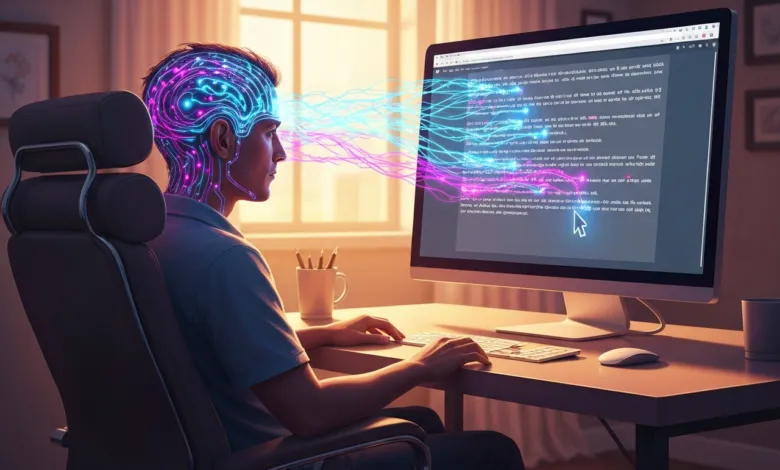
Researchers at the University of California, Davis have developed a groundbreaking brain-computer interface that enables individuals with severe paralysis to communicate, work, and engage with digital environments. A new study published in Nature Medicine outlines a multi-year investigation into a BCI system featuring advanced decoding algorithms. According to a press release from UC Davis Health, these algorithms translate neural signals into text and allow for precise cursor control. As a result, users can operate a personal computer independently, without any assistance from researchers.
The technology’s real-world impact is powerfully demonstrated by a patient living with ALS, who has regained the ability to speak and resumed full-time employment. This individual now uses the implant to generate text and navigate digital workspaces, marking a significant leap in assistive technology. The system’s ability to decode neural activity in real time has transformed daily life, restoring not just communication but also professional autonomy. By eliminating the need for constant researcher oversight, the BCI opens a new chapter for those with motor impairments, offering a direct pathway back to productivity and social connection.
(Source: Yahoo Entertainment)