Military’s $8 Billion GPS Software Fails After 16 Years
▼ Summary
– The US Space Force accepted the new GPS OCX ground control system from RTX last July, raising initial hopes for the troubled program.
– The OCX system is designed to command GPS satellites and includes software for new signals and hardware like control stations.
– The program, originally costing $3.7 billion and due in 2016, now costs $7.6 billion and may exceed $8 billion with planned upgrades.
– Despite the handover, the system remains nonoperational and is still struggling, with the Pentagon considering ending it.
– Testing after acceptance uncovered new problems, dashing hopes that the system was finally ready.
A major US military software program, now costing billions more than planned and years behind schedule, has failed to achieve operational status despite a formal handover last year. The GPS Next-Generation Operational Control System (OCX), a critical ground segment for managing the nation’s satellite navigation network, remains nonoperational. This failure casts doubt on a program long plagued by delays and cost overruns, raising the possibility the Pentagon may soon abandon the effort.
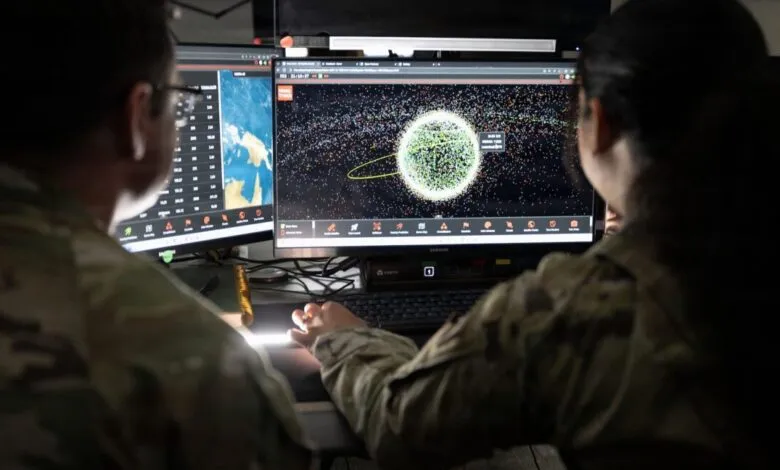
Designed to command the military’s constellation of over 30 GPS satellites, OCX consists of advanced software and upgraded hardware. Its core function is to handle the new signals and enhanced jam-resistant capabilities of the latest GPS III satellites, the first of which launched in 2018. The system includes two master control stations and modernized monitoring stations globally.
RTX Corporation, the contractor formerly known as Raytheon, secured the initial development contract in 2010. The program was originally slated for completion in 2016 at a cost of $3.7 billion. Official costs for the ground system have since ballooned to $7.6 billion. With RTX now developing a further OCX augmentation projected to exceed $400 million for upcoming GPS IIIF satellites, the total investment approaches $8 billion.
The Space Force’s acceptance of the system from RTX in July last year was seen as a pivotal moment, following a history of programmatic missteps. This handover initiated a validation phase where military teams could test the new software and upgraded facilities before declaring operational readiness. However, that testing has revealed persistent, significant problems. Nine months after taking ownership, the system is still not functioning. Thomas Ainsworth, the assistant secretary of the Air Force for space acquisition, recently informed Congress that OCX continues to struggle, dashing hopes for a turnaround.
(Source: Ars Technica)