Sonos Unveils New Devices, OS, and App

▼ Summary
– Sonos has released a new app update called Sonos 27 to rebuild trust after previous software failures alienated users.
– The company is rebranding itself as an audio operating system rather than just a speaker manufacturer under this new initiative.
– Key improvements include better navigation, room sorting, and diagnostic tools to address past accessibility and usability complaints.
– The update introduces generative AI features like voice control for music requests and customizable digital agents with unique personas.
– Sonos also announced new hardware including a soundbar and over-the-ear headphones to support its holistic audio ecosystem.
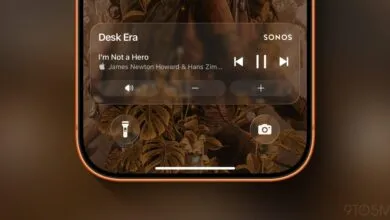
Sonos is attempting to reinvent its brand identity, moving beyond its reputation as a mere hardware manufacturer to position itself as a comprehensive audio operating system. This strategic pivot comes on the heels of significant turmoil, including a disastrous app overhaul in 2024 that alienated users and led to executive changes. The company now introduces Sonos 27, a new software ecosystem paired with updated hardware, aiming to restore trust while integrating advanced generative AI capabilities.
The path to this moment was fraught with challenges. After releasing a widely criticized app update that removed essential features like volume control and accessibility tools for visually impaired users, Sonos faced intense backlash. The company eventually acknowledged the error, replaced its CEO, and launched an aggressive campaign to apologize and win back customers. Now, the tech firm is rolling out a fresh app experience designed to address those previous grievances while introducing Sonos 27voice, an AI-driven interface that allows voice commands similar to Amazon Alexa or Google Home.
Rebuilding Trust Through User-Centric Design
Sonos leadership is acutely aware that the phrase “new app” triggers anxiety among its user base. Sid Patel, vice president of software at Sonos, acknowledges this historical context directly.
“When I say that out loud, I know exactly what comes in mind,” Patel tells WIRED. He emphasizes that the development process relied on a “customer-centric feedback listening approach” that actively engaged with the community through platforms like Reddit. The updated interface prioritizes usability improvements, including streamlined tab navigation, enhanced room sorting mechanisms, and refined volume controls within the application itself. Additionally, the fall update will introduce system health views, enabling users to diagnose connection issues for individual devices more effectively.
These foundational improvements are part of a broader effort to stabilize the platform after the previous failures. By focusing on transparency and direct community engagement, Sonos hopes to demonstrate that it has learned from past mistakes. The goal is to create a seamless experience that respects the complexity of multi-room audio setups while simplifying daily interactions for the average consumer.
Integrating Generative AI Into Home Audio
At the core of the Sonos 27 announcement is the introduction of Sonos 27voice, currently available in early access. This feature transforms the speakers into interactive hubs capable of understanding natural language requests. Users can ask their systems to play music based on their current mood, leveraging generative AI to curate playlists dynamically. The system also supports the Model Context Protocol, allowing integration with external AI services such as ChatGPT to facilitate more complex queries.
Beyond basic music playback, Sonos is offering customizable agents that perform specific tasks across the home audio network. These Sonos Custom Agents can trigger speakers in designated rooms at set times. For entertainment, users can alter the persona of the AI assistant, choosing voices that range from a sophisticated French chef in the kitchen to a pirate in the bathroom.
Patel notes the industry trend driving these innovations.
“Obviously AI is something that’s very hot these days, clearly,” Patel says. “So we have integrated various pieces of AI into our system.”
This push into AI represents a shift from passive listening devices to active participants in the home environment. However, the breadth of these features depends heavily on the underlying hardware capabilities of each product.
Hardware Updates and Compatibility Limitations
Alongside the software overhaul, Sonos unveiled new physical products, including a next-generation soundbar and its second pair of over-the-ear headphones. These devices are designed to complement the new software ecosystem, reinforcing the company’s desire to be viewed as a holistic audio provider rather than just a speaker manufacturer. Brandon Holley, the interim hardware lead at Sonos, articulates this vision clearly.
“For years people have been seeing us as a speaker company,” says Brandon Holley, the interim hardware lead at Sonos. “What we actually are is an audio operating system.”
Despite the ambitious scope of Sonos 27, compatibility remains a critical consideration for existing owners. The new AI features and operating system updates will function exclusively within the S2 app version. They will not support the legacy S1 app, which controls older Sonos equipment. Consequently, owners of vintage hardware will be unable to access these cutting-edge tools.
A Sonos representative clarified the rationale behind these restrictions via email.
“Sonos 27 is designed to take advantage of newer hardware capabilities, so not every product will support every new feature,” the representative wrote. “We want to be transparent about those limitations while continuing to support products with security and ongoing updates for as long as the hardware allows.”
This distinction ensures that the advanced processing required for generative AI does not burden older devices, but it also creates a clear divide between current and legacy users. As Sonos moves forward, balancing innovation with inclusivity will remain a central challenge for the company as it seeks to redefine its place in the smart home market.
(Source: Wired)