Apple Sues OpenAI, NY Targets Data Centers, Cyclosporiasis Risks

▼ Summary
– DOGE members at HUD used AI to inform policy decisions, but the agency is now denying FOIA requests for details on the development and use of these AI tools.
– A FOIA request from Democracy Forward obtained documents revealing this stonewalling, raising concerns about transparency regarding DOGE’s activities, access, and materials.
– HUD employees reported that DOGE used AI to identify agency rules for potential rescission or contract cancellations, but specifics on what was cut and how remain unknown.
– WIRED identified two DOGE employees involved: Christopher Sweet, a third-year University of Chicago student, and Scott Langmack, from a property tech startup, neither well-versed in government work.
– The lack of information is frustrating for employees and the public, especially given potential long-term impacts on U.S. housing policy and concerns about AI introducing discrimination or misuse.
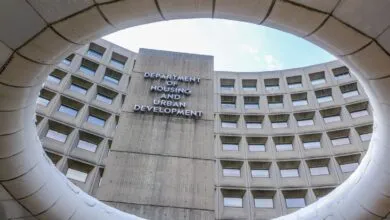
The Department of Government Efficiency, better known as DOGE and spearheaded by Elon Musk, remains a persistent headline. This week, the focus is on a troubling lack of transparency. Members of DOGE assigned to the Department of Housing and Urban Development used AI to inform policy decisions, a practice we uncovered last year. Now, HUD appears to be actively denying Freedom of Information Act requests for details on how those AI tools were developed, used, and how they actually shaped policy.
This revelation comes from documents obtained by Democracy Forward, a nonprofit legal organization, through a FOIA request. The situation is deeply concerning. A year after the initial dust settled, you would expect more clarity, not less. HUD is just the latest example of a government agency stonewalling requests for information about DOGE’s activities, the access it had, and the materials it used. The core issue isn’t just that AI was used, but how it was used. What remains in the systems? What regulations were ignored? Who was aware? These are critical questions, especially now as employees try to untangle the mess left behind. This should frustrate anyone affected by U. S. housing policy over the next two decades.
Zoë Schiffer noted the dual nature of AI tools. They can be legitimate and helpful, like for research and fact-checking. But they can also introduce discrimination or be used in ways that some would call cheating. The public is entitled to answers about this broad range of applications. Instead, we are being stonewalled.
Leah Feiger elaborated that HUD employees who spoke to WIRED found DOGE staff using AI to identify agency rules for potential rescission or contract cancellations. The process was disturbingly casual: “Here’s this massive list of contracts. What do you think we should cut here?” We still lack details on what was cut, how it was cut, and what the consequences are. WIRED previously reported that Christopher Sweet, then a third-year student at the University of Chicago, was deeply involved, along with Scott Langmack, who came to DOGE from a property technology startup called Kukun. These were not individuals well-versed in government work, yet they were empowered to run massive contract lists through AI and essentially give a green light.
(Source: Wired)