Apple Reclaims Parental Control Over Kids’ iPhones
▼ Summary
– Apple introduced new parental controls at WWDC 2026, allowing parents to manage who a child can contact, which apps they can use, and which websites they can visit.
– The redesigned Screen Time offers more granular controls, including age-based safeguards that automatically block adult content and set restrictions when creating a child’s account.
– Parents can use “Ask to Browse” to control website access and “Ask to Buy” for apps, both enabled by default for kids under 13.
– Apple now provides expert-recommended screen time allowances based on a child’s age and app category, with social media apps suggested to be off for children under 13.
– The new controls include APIs for developers to block nudity and violent content, and will be available with the release of iOS 27 in the fall.
At its WWDC 2026 event, Apple unveiled a comprehensive suite of tools aimed at restoring parental control over children’s iPhone usage. The new features empower parents to decide who their child can communicate with, which apps are accessible, and whether specific websites can be visited. Additional capabilities include blocking inappropriate texts, managing screen time schedules, and receiving age-appropriate app suggestions.
The redesigned Screen Time controls expand on Apple’s existing technology, offering more granular management options. This update arrives amid growing concerns about technology’s impact on children’s mental health and a wave of new laws targeting kids’ access to devices and social media.
When setting up a child’s account on a new device, Apple will automatically apply safeguards based on their age. This includes blocking adult websites, restricting media to age-appropriate content, and enforcing age-based limitations on the App Store. Parents retain the ability to adjust these defaults, but now have even more flexibility.
For example, parents can start by granting access only to content they are comfortable with, then gradually expand permissions as they see fit. Apple will also offer smart app suggestions during setup, allowing parents to choose between giving a child access to essential apps only or handpicking specific ones. This is especially useful for younger users, such as tweens and school-aged children, who may not be ready for the full social experience of an iPhone.
A highly requested feature, “Ask to Browse,” lets parents control which websites their children can visit. This addresses a common workaround where kids use web browsers to bypass app-based restrictions, particularly for social media. The feature works across iPhone, iPad, and Mac with Safari, and is enabled by default for children under 13, alongside the existing “Ask to Buy” for apps and games.
Parents can also manage which contacts a child can add to their address book and block media in text messages that may contain gore or violence. A similar tool already exists to prevent exposure to nudity, addressing concerns about sexting.
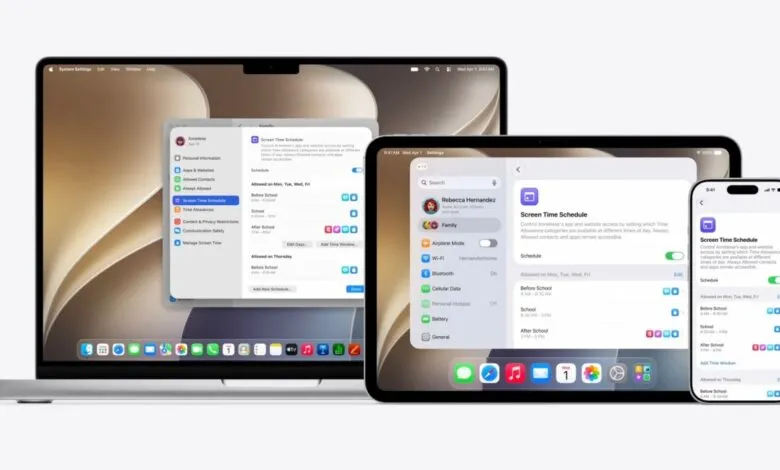
Apple’s existing Screen Time functionality allows parents to set schedules and designate which apps are available on specific days and times. This helps limit access to social media during school hours while permitting it on weekends.
What is new is that Apple is now incorporating expert recommendations for initial screen time allowances, tailored to a child’s age and app category. The company consulted with the American Academy of Pediatrics and other specialists to develop these guidelines. Notably, Apple advises that social media apps are not suitable for children under 13, and may suggest turning off that category for younger users.
The Screen Time interface has also been redesigned for simplicity, making it easier for parents to view their child’s device usage and adjust access with a single tap.
For app developers, Apple is providing a full set of APIs to protect against nudity and violent content, require parental approval for new contacts within apps, and verify a user’s age before granting access.
These new parental controls will be available to consumers with the release of iOS 27 this fall.
(Source: TechCrunch)