Meta’s Race to Catch Up in AI
▼ Summary
– Mark Zuckerberg hired 28-year-old start-up founder Alexandr Wang to lead Meta’s AI revival, betting on an outsider’s urgency over veteran researchers.
– Wang has assembled an elite research group with multimillion-dollar salaries and reshaped parts of Meta’s AI operation in nearly 12 months.
– Meta released Muse Spark in April, the first major AI model from Wang’s secretive TBD Lab research group.
– Wang is now one of Meta’s most influential executives, attending a White House dinner with President Trump alongside Zuckerberg.
– Proponents view Muse Spark as evidence Meta’s AI rebuilding is gaining traction, with successor models expected to narrow the gap with OpenAI, Google, and Anthropic.
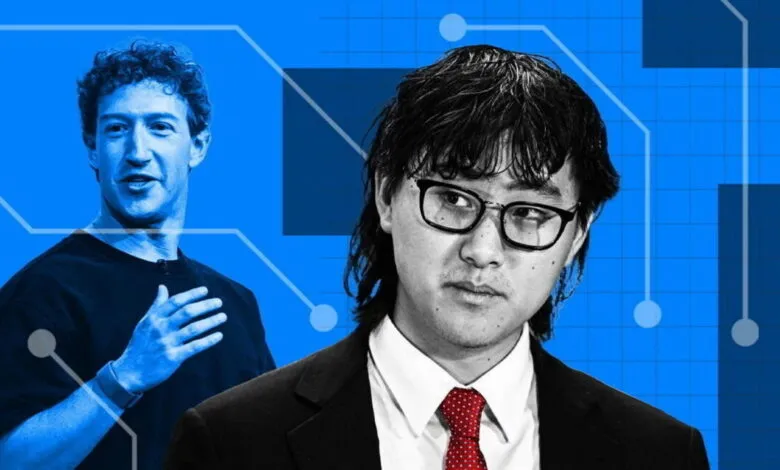
A year after Mark Zuckerberg turned to Alexandr Wang to shake up Meta’s artificial intelligence operations with a sense of wartime urgency, the $1.5 trillion company has unveiled Muse Spark, its most impressive AI model to date. By placing the future of Meta’s AI revival in the hands of a then-28-year-old start-up founder instead of a seasoned researcher, Zuckerberg wagered that an outsider’s intensity and drive could achieve what the company’s established AI division could not.
Based on conversations with current and former Meta employees, as well as associates of Wang, the billionaire prodigy has started to deliver tangible results. He has done so while fielding questions about his qualifications, navigating early research setbacks, and managing the complex internal dynamics of a major tech corporation.
Over the past 11 months, Wang has built a top-tier research team commanding multimillion-dollar salaries, restructured portions of Meta’s AI division, and risen to become one of the most powerful figures within the company. He is the only Meta executive, aside from Zuckerberg, who attended a White House dinner last year hosted by President Donald Trump, which included leading figures from Silicon Valley.
In April, Meta released Muse Spark, the first major model to come out of Wang’s secretive research unit, known as TBD Lab. Supporters of Wang see this launch as the strongest evidence yet that Meta’s AI overhaul is gaining momentum. They are optimistic that upcoming models, expected in the next few months, could further narrow the gap with rivals such as OpenAI, Google, and Anthropic.
“The amount of work the TBD Lab was able to do in a short amount of time is very impressive,” said Russ Salakhutdinov, a computer science professor at Carnegie Mellon University and a former vice-president of AI research at Meta. “Alex knows what he doesn’t know and he’s willing to listen.”
(Source: Ars Technica)