Trump, Spooked by Mythos, Now Backs AI Safety Testing
▼ Summary
– The Trump administration signed voluntary safety agreements with Google DeepMind, Microsoft, and xAI to test their frontier AI models before and after release, reversing its earlier dismissal of Biden-era policies.
– Trump had previously rebranded the US AI Safety Institute to the Center for AI Standards and Innovation (CAISI), removing “safety” from the name.
– Anthropic’s decision not to release its Claude Mythos model due to cybersecurity risks prompted Trump’s renewed focus on AI safety, potentially leading to an executive order mandating pre-release testing.
– CAISI’s voluntary agreements “build on” Biden’s policy, and Director Chris Fall said the partnerships help scale work “in the public interest at a critical moment.”
– CAISI has completed about 40 evaluations of unreleased frontier models, often with reduced safeguards, and formed an interagency task force focused on AI national security concerns.
This week, the Trump administration reversed course by signing agreements with Google DeepMind, Microsoft, and xAI to conduct government safety evaluations on their frontier AI models both before and after public release.
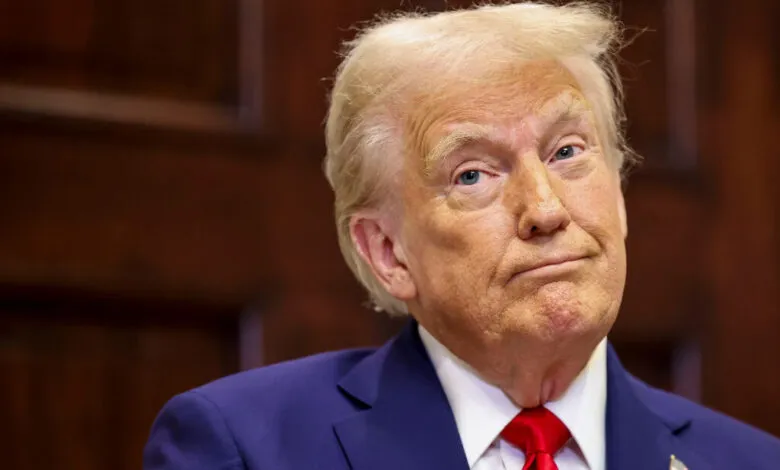
Previously, Donald Trump had firmly rejected the Biden-era policy, dismissing voluntary safety checks as unnecessary overregulation that stifled innovation. Shortly after taking office, he went a step further by renaming the US AI Safety Institute to the Center for AI Standards and Innovation (CAISI) , deliberately removing “safety” from the title as a pointed critique of Joe Biden.
However, everything changed after Anthropic announced it would hold back its latest Claude Mythos model, citing risks that bad actors could exploit its advanced cybersecurity features. That decision spooked Trump into taking AI safety seriously. According to White House National Economic Council Director Kevin Hassett, Trump may soon issue an executive order requiring mandatory government testing of advanced AI systems before release, as reported by Fortune.
In its press release, CAISI acknowledged that the voluntary agreements with Google, Microsoft, and xAI “build on” Biden’s earlier policy. Celebrating the new partnerships, CAISI Director Chris Fall avoided mentioning Mythos but pledged that the “expanded industry collaborations” would help the center scale its work “in the public interest at a critical moment.”
“Independent, rigorous measurement science is essential to understanding frontier AI and its national security implications,” Fall stated.
To date, CAISI reports completing around 40 evaluations, including assessments of frontier models that have not yet been made public. During testing, the center often gains access to models with “reduced or removed safeguards,” which it says allows for a more thorough evaluation of national security-related capabilities and risks.
Through these evaluations, the government will also develop a deeper understanding of model capabilities, CAISI claimed. To ensure evaluators stay current with emerging national security concerns across federal agencies, a “group of interagency experts” has formed a task force “focused on AI national security concerns,” the center added.
(Source: Ars Technica)