TSMC turns to wind power as AI chip demand strains Taiwan energy grid
▼ Summary
– TSMC signed a 30-year deal to buy all power from Northland Power’s Hai Long offshore wind project, covering over 1 gigawatt across three sites off Taiwan’s west coast.
– The Hai Long project, once fully operational by 2027, can power over 1 million Taiwanese households and began supplying the grid in 2025.
– TSMC’s renewable energy push occurs amid a global energy crisis, worsened by Middle East war disruptions that halted shipping in the Strait of Hormuz.
– In March 2026, Iranian drone strikes on Qatar’s gas facilities cut one-third of Taiwan’s liquefied natural gas supply, per Bloomberg.
– Taiwan relies on natural gas for about half its electricity, with only two weeks of fuel reserves, but has avoided shortages by tapping suppliers like Australia and the US.
TSMC is riding a wave of record profits from the surging demand for AI chips, but a deeper challenge is unfolding behind the scenes. The Taiwanese semiconductor giant is now urgently pushing to accelerate the island’s shift to renewable energy, particularly offshore wind power, as global energy shocks rattle Taiwan’s fragile grid.
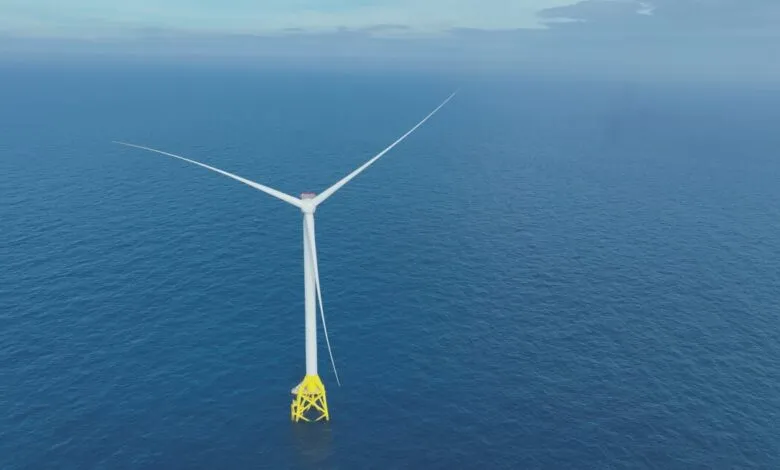
In a landmark move, TSMC signed a 30-year corporate power purchase agreement with Canada’s Northland Power to buy the entire output of the Hai Long offshore wind project. Announced on April 30, the deal covers over 1 gigawatt of capacity across three wind farm sites in the Taiwan Strait, off the west coast of central Taiwan. Once fully built, the project could supply electricity equivalent to the needs of more than 1 million Taiwanese households. The wind farms began feeding power into Taiwan’s grid in 2025, with full commercial operations slated for 2027.
This strategic pivot by TSMC is not happening in a vacuum. The company’s push for clean energy coincides with a severe global energy crisis triggered by Middle East hostilities. When Qatari natural gas production was crippled by Iranian drone strikes in March 2026, Taiwan lost one-third of its usual liquefied natural gas supply, according to Bloomberg. That was a critical blow, as natural gas plants generate roughly half of Taiwan’s electricity, and the island typically holds only a two-week fuel reserve.
Taiwan’s government has so far managed to avert outright blackouts by scrambling for alternative natural gas suppliers such as Australia and the United States, as reported by Reuters. But the experience has underscored Taiwan’s vulnerability and the urgent need to diversify its energy mix. For TSMC, which operates some of the world’s most energy-intensive chip fabrication plants, securing a stable, long-term supply of renewable energy is not just an environmental goal,it is a business imperative to maintain production and meet customer demands for sustainable manufacturing.
(Source: Ars Technica)