Linux Kernel Drops Intel 486 Processor Support
▼ Summary
– The Linux kernel has historically offered broad hardware support, including for very old systems like 486 processors and modern Apple Silicon.
– Linux maintainers plan to drop official kernel support for Intel’s 80486 processor, starting with version 7.1.
– Maintaining support for such old hardware requires ongoing development effort to manage compatibility code, which developers argue is a waste of time.
– The removal is driven by patches from contributors like Ingo Molnar, who state the old code complicates the kernel and causes problems.
– This follows a precedent of dropping legacy support, as was done for the 80386 processor family in 2013.
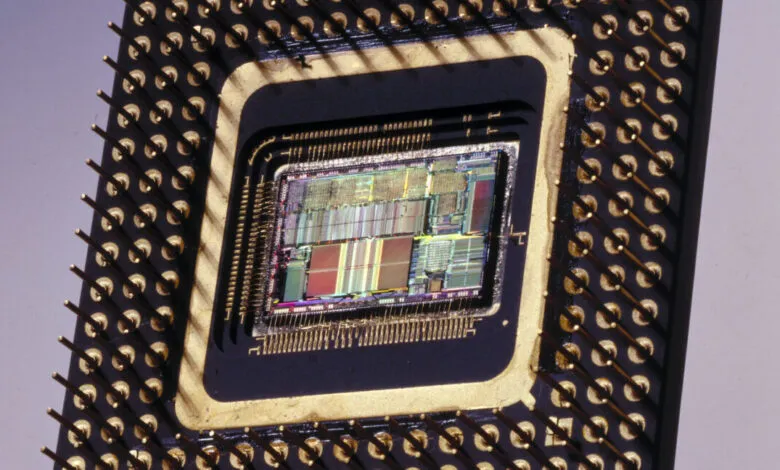
The Linux kernel is renowned for its extensive hardware compatibility, a cornerstone of its open-source philosophy that allows it to run on systems from the latest Apple Silicon to legacy PC components. This commitment, however, requires constant evaluation, and the time has come for a significant architectural shift. The upcoming Linux kernel 7.1 will mark the end of an era by dropping support for the Intel 486 processor, a foundational CPU first launched in 1989.
Maintaining compatibility with such obsolete hardware is not a trivial task. It imposes a tangible development burden. In a recent patch proposing the removal, kernel contributor Ingo Molnar explained the issue. The x86-32 architecture requires complex emulation layers to support these ancient 32-bit CPUs, which are used by an extremely small number of people with modern kernels. This compatibility glue can itself introduce bugs, forcing developers to spend valuable time fixing problems for a nearly non-existent user base, time that could be better invested elsewhere.
This move aligns with longstanding sentiment within the kernel community. Linus Torvalds himself argued in 2022 that there was “zero real reason for anybody to waste one second of development effort” on 486-related issues. The change will effectively make it impossible to compile a kernel that runs on the original Intel 486, which was discontinued in 2007. The removal will also impact a few 486-compatible chips from other manufacturers, including AMD’s Am5x86 and the Cyrix 5×86.
Following the release of kernel 7.1, subsequent versions will see additional cleanup to strip out the now-redundant 486-specific code. This process is not without precedent. Molnar was also instrumental in the previous removal of support for the even older Intel 80386 processor family, which was cut from the kernel in version 3.8 back in 2013. This ongoing pruning of legacy code is essential for streamlining the kernel, reducing complexity, and allowing developers to focus their efforts on supporting contemporary and future hardware.
(Source: Ars Technica)