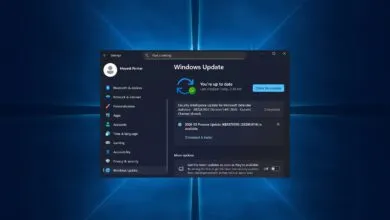
Microsoft pulls Windows 11 update causing install loop

▼ Summary
– Microsoft pulled the optional Windows 11 update KB5079391 after it caused installation errors and is investigating the root cause.
– The update, briefly offered on March 26, 2026, failed to install on some PCs, displaying error code 0x80073712 due to missing assembly files.
– Microsoft has temporarily paused the update’s rollout to prevent further impact while it addresses the issue.
– This incident occurs as Microsoft has publicly committed to improving Windows Update and making the overall update process less frustrating.
– Planned improvements for 2026 include longer pause options for updates, a faster Start menu and File Explorer, and more user control over installations.
Microsoft has withdrawn a recent optional update for Windows 11 after it triggered installation failures for some users, a move highlighting ongoing challenges with the platform’s update system. The company confirmed to Windows Latest that it has paused the rollout of KB5079391 and is investigating the root cause internally. This development means the update may remain unavailable until Microsoft resolves the underlying issue, and there is a possibility it could be scrapped entirely.
The situation arrives just over a week after Microsoft publicly committed to enhancing both Windows 11 and the Windows Update experience. Despite these internal efforts, recent updates have introduced significant problems. This follows an earlier update that disrupted Microsoft account sign-ins for built-in apps, compounding user frustration.
Released briefly on March 26, the optional KB5079391 update caused certain PCs to enter an installation error loop. Affected users encountered error code 0x80073712, which indicates that essential assembly files are missing from the system’s WinSxS folder. Microsoft has stated the rollout is “temporarily paused” to prevent further impact while its engineers diagnose the problem. The update was only available for roughly one to two hours before being pulled, and it remained inaccessible as of March 28.
Such a withdrawal is relatively uncommon for Microsoft, suggesting the installation bug was potentially widespread. The company typically limits update availability only for significant, recurring issues.
This incident occurs against a backdrop of promised improvements. Microsoft has outlined an ambitious roadmap for 2026 aimed at making Windows updates less frustrating. Planned enhancements include a redesigned Start menu built with WinUI for better speed, a faster File Explorer, a movable taskbar, and overall performance gains.
A particularly notable change involves granting users greater control over update timing. Currently, updates can be paused for a maximum of five weeks. New controls will soon allow users to pause updates for months or longer, providing much more flexibility. Microsoft has stated its goal is to make update receipt predictable and easier to plan around, including options to skip updates during initial device setup.
These future improvements, however, do little to address current instability. For now, users must navigate the existing, sometimes problematic, update process as Microsoft works to stabilize its systems and deliver on its promises for a more reliable operating system.
(Source: WindowsLatest)