Claude AI can now control your computer for tasks

▼ Summary
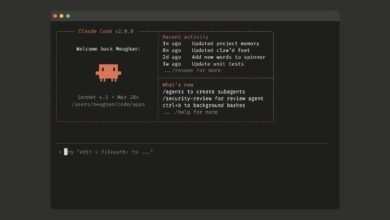
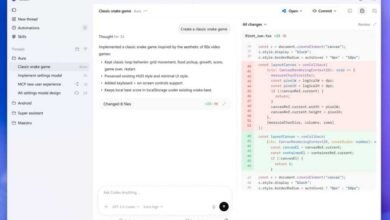
– Anthropic’s Claude Code and Claude Cowork can now directly control a user’s computer desktop to open files, use browsers, and run tools.
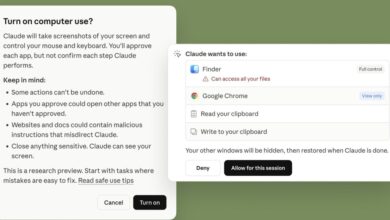
– These AI agents prioritize using Connectors for app control but will request permission to click and navigate the screen when Connectors are unavailable.
– Remote task initiation is possible via Claude’s Dispatch tool, provided the target computer is powered on.
– The feature is currently in a “research preview” for Claude Pro and Max subscribers on MacOS and may not work perfectly on the first try.
– This “computer use” method is slower and more error-prone than completing the same tasks through direct Connectors.
Anthropic has introduced a significant new capability for its Claude AI, allowing it to directly operate a user’s computer desktop. This move places the company among a growing number of firms developing AI agents that can perform tasks through direct screen control. The feature, available in Claude Code and the user-focused Claude Cowork, enables the AI to point, click, and navigate on-screen. It can open files, use a web browser, and run development tools autonomously to fulfill user requests.
The system is designed to prioritize using Claude Connectors for direct access to external applications and data whenever possible. However, when a direct connector is unavailable, the AI can now request permission to take control locally. It will then scroll, click, and explore the computer’s interface as needed to complete the assigned job. This local control can also be initiated remotely via Claude’s Dispatch tool, provided the target computer is powered on, allowing for task management from anywhere.
Currently, this computer use feature is in a “research preview” phase, accessible only to Claude Pro and Team subscribers on MacOS. Anthropic cautions that the system is not flawless and may require a second attempt for more complex assignments. The company explicitly notes that completing tasks through this direct control method is slower and more prone to errors compared to using the integrated Connectors, highlighting the technology’s current experimental status.
(Source: Ars Technica)