Artemis II Cameras That Captured Historic Images
▼ Summary
– The Artemis II mission successfully completed a historic flyby of the Moon.
– The crew’s task of taking photographs was a critical objective during this mission.
– The team utilized a specific, retired Nikon camera model for this photographic work.
– This demonstrates the practical reuse of existing equipment in new space missions.
– The article highlights this camera detail as a notable, lesser-known fact about the mission.
The success of the Artemis II mission’s historic lunar flyby relied on more than just advanced engineering and precise navigation. A critical, yet often overlooked, component was the suite of cameras tasked with documenting the journey. These imaging systems were essential for capturing the iconic views of Earth and the Moon, providing invaluable data for engineers and inspiring the public. Interestingly, the equipment roster for this cutting-edge voyage included a piece of familiar technology: a retired Nikon camera, repurposed from its previous life to serve a new role in deep space.
This integration of heritage hardware highlights NASA’s practical approach to mission design. The agency has a long history of adapting commercially available cameras for the extreme environment of spaceflight, valuing their proven reliability and optical quality. The specific Nikon model used had already demonstrated its durability on previous missions, making it a trusted choice for the Artemis II crew. Its inclusion underscores a principle of using the right tool for the job, whether it’s a custom-built scientific instrument or a modified consumer device.
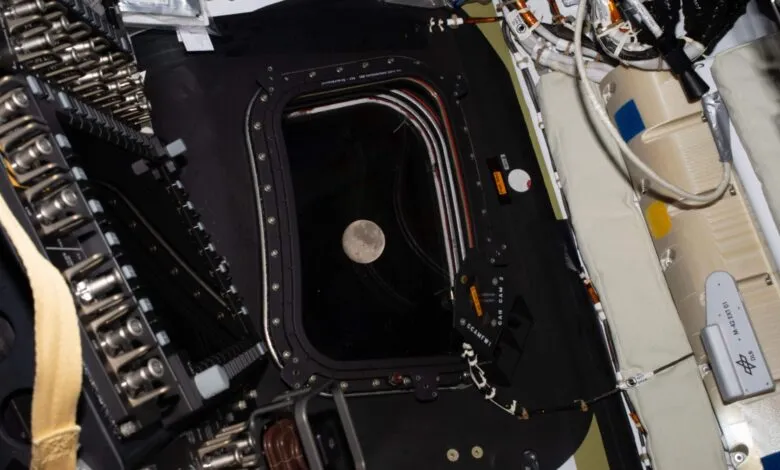
The cameras deployed on Artemis II served multiple vital functions. Their primary role was operational, allowing the crew and mission controllers on Earth to visually inspect the spacecraft’s exterior, monitor key events, and document the condition of hardware. The imagery also provided crucial engineering data for analyzing vehicle performance and planning future missions. Beyond the technical, the photographs fulfilled a powerful public engagement purpose. The breathtaking perspectives of our planet against the blackness of space continue to capture global imagination and underscore the significance of lunar exploration.
Using a retired Nikon camera in this context is a testament to robust design and thoughtful preparation. Before flight, these commercial units undergo significant modifications to withstand the rigors of launch, the vacuum of space, and intense temperature swings. Engineers remove unnecessary components, apply specialized lubricants, and install custom fittings for spacecraft mounting. This process transforms a terrestrial photographic tool into a hardened piece of flight hardware, ready to contribute to a historic archive.
The visual record from Artemis II, partly created by this repurposed equipment, leaves a lasting legacy. The images serve as both a technical benchmark and a cultural touchstone, reminding us of human ingenuity and our place in the cosmos. They prove that contributing to the next giant leap for humankind sometimes involves giving a trusted old camera one final, extraordinary assignment.
(Source: WTOP)