Mini-LED vs. RGB LED: The Future of TV Tech
▼ Summary
– RGB LED TV technology is launching in 2026, using red, green, and blue LEDs to enable brighter and purer colors than current high-end TVs.
– Major brands like Hisense and Samsung are releasing their first RGB LED models soon, but have not announced new versions of their top-tier Mini-LED TVs for this year.
– The article suggests RGB LED TVs are directly replacing flagship Mini-LED models in these companies’ lineups, raising questions about Mini-LED’s future position.
– One potential future is that Mini-LED technology becomes standardized in more affordable, budget-friendly TVs as RGB LED occupies the high end.
– The performance of new mid-range Mini-LED models from Hisense and Samsung will indicate if they inherit the quality of last year’s flagships or if that tier is gone.
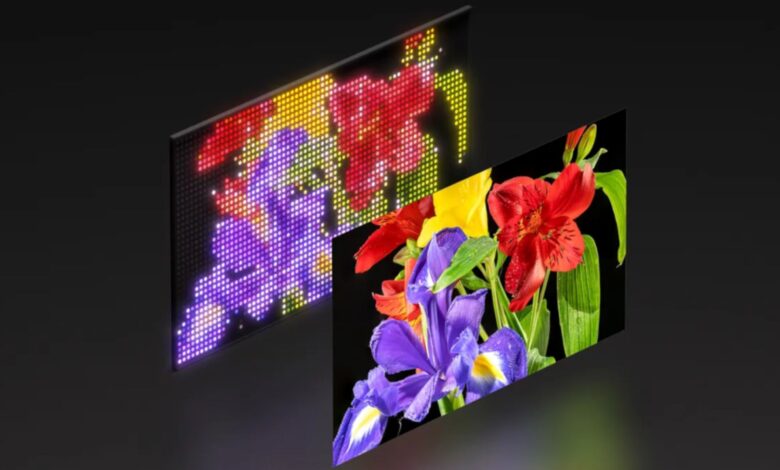
The television landscape is shifting in 2026 with the commercial arrival of RGB LED technology. This new approach builds upon the foundation of Mini-LED backlighting by utilizing distinct red, green, and blue LEDs within its dimming zones. This fundamental change promises significantly brighter images and more saturated, pure color than current high-end televisions can produce. Major manufacturers are now placing substantial bets on this innovation, signaling a potential turning point for premium home entertainment.
Leading brands including Hisense, LG, Samsung, Sony, and TCL are all developing their own interpretations of RGB LED. Hisense and Samsung are at the forefront, with models like the Hisense UR9 and UR8 and the Samsung R95H Micro RGB TV slated for imminent release in popular sizes. Notably, the launch strategies of these two companies suggest a direct substitution at the top of their lineups. Both have announced new, lower-tier Mini-LED models for 2026, but have so far been silent on successors to their previous flagship Mini-LED series, the Hisense U8 and the Samsung QN90.
This pattern raises a critical question about the future role of Mini-LED technology. If RGB LED sets are positioned to replace the highest-performing Mini-LED TVs, it logically points to Mini-LED becoming a more standardized feature for mid-range and budget-friendly models. This would be a win for value-conscious shoppers, as even basic Mini-LED backlighting typically offers superior contrast and brightness control compared to older edge-lit displays. The transition, however, will not be instantaneous, as 2026 represents the first real consumer test for RGB LED.
The immediate fate of high-performance Mini-LED now hinges on the new models stepping into the spotlight. With their former flagships potentially discontinued, the performance of the new Hisense U7SG and Samsung QN80H becomes paramount. There are two plausible scenarios. The first is that these models perform similarly to their predecessors, effectively creating a performance gap that consumers must fill by moving up to the new RGB LED class. The second, and more favorable outcome for buyers, is that these new Mini-LED TVs deliver performance comparable to last year’s flagship models, essentially inheriting that top-tier mantle within the Mini-LED category.
This second scenario would ensure that the dramatic picture quality improvements driven by Mini-LED competition in recent years remain accessible. Ideally, the new Hisense U7 should match or exceed the performance of last year’s U8, and the new Samsung QN80H should rival the old QN90F. Definitive answers will come only through hands-on testing in the coming months. Regardless of the outcome, 2026 is shaping up to be a pivotal year that will redefine the hierarchy of LED TV technology and determine the long-term positioning of both Mini-LED and its vibrant new successor.
(Source: Tom’s Guide)