Valve Eyes Arm for Future SteamOS Handhelds and Laptops

▼ Summary
– Valve engineer Pierre-Loup Griffais confirms SteamOS will expand to more Arm-based devices including ultraportables, laptops, and handhelds.
– Griffais states Valve is improving SteamOS compatibility and performance for Arm devices to support a wider hardware ecosystem.
– Companies like OneNetbook are already experimenting with Arm chips for handhelds and have contacted Valve about potential collaborations.
– Griffais suggests current Arm handheld chips may not yet provide the generational performance leap Valve wants for Steam Deck 2.
– He notes Arm chips could be competitive with x86 in lower-power devices below Steam Deck’s performance level.
The future of portable gaming appears poised for a significant shift, with Valve actively exploring the integration of Arm architecture into upcoming SteamOS devices. According to Valve software engineer Pierre-Loup Griffais, the company is enthusiastic about the potential for Arm-based systems, including future handhelds and laptops running their operating system. While no specific products were announced, this strategic direction signals a broader ambition to expand the SteamOS ecosystem.
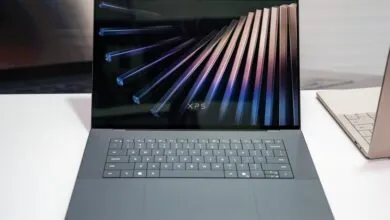
Griffais expressed that Arm technology could enable a new wave of hardware. He suggested it paves the way for various form factors, from ultraportable devices to more powerful laptops. The potential for Arm in the handheld gaming sector is particularly promising. He also did not rule out the eventual appearance of desktop-class Arm chips, hinting at a comprehensive future for the architecture within the gaming landscape. This vision aligns with industry movements, such as Nvidia’s rumored Arm-powered gaming laptop and Razer’s involvement with Qualcomm’s latest laptop chip initiatives.
To support this expansion, Valve is committed to enhancing SteamOS for a wider array of Arm devices. Griffais stated the company will “keep greasing the wheels” to improve both the operating system’s functionality and the reliability of the game catalog in terms of compatibility and performance on the new architecture. This foundational work is crucial for ensuring a smooth user experience. The engineer also revealed that other hardware companies are already approaching Valve with interest in developing handheld devices, with OneNetbook noted as one firm experimenting with powerful Arm chips suitable for handheld gaming.
However, it is important to temper immediate expectations for a next-generation Steam Deck. Griffais indicated that Valve is not currently discussing a “Steam Deck 2,” and his comments suggest that contemporary Arm handheld chips may not yet deliver the substantial performance leap the company desires. Valve’s benchmark for a true successor involves a “generational leap in compute without sacrificing battery life,” a standard that current Arm solutions might not fully meet. He did note that in lower-power segments, specifically for devices with less power than the current Steam Deck, Arm chips are becoming competitive with traditional x86 offerings. This careful positioning indicates a strategic, performance-driven approach to adopting new technology rather than a rushed market entry.
(Source: The Verge)