Sierra’s Dream Chaser Faces Mounting Challenges
▼ Summary
– The Dream Chaser spaceplane’s first flight will not berth with the International Space Station but will instead be a free flight demonstration.
– NASA stated this decision allows for continued testing and demonstrates the vehicle’s capabilities for future resupply missions.
– Development of the Dream Chaser began in 2004, based on a resurrected NASA concept called the HL-20 spaceplane.
– After losing a crewed spacecraft competition, a cargo version of Dream Chaser was selected for a NASA resupply program in 2016.
– Sierra Space was awarded a contract for a minimum of seven cargo flights as part of a larger $14 billion program shared with other companies.
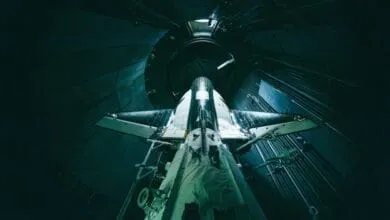
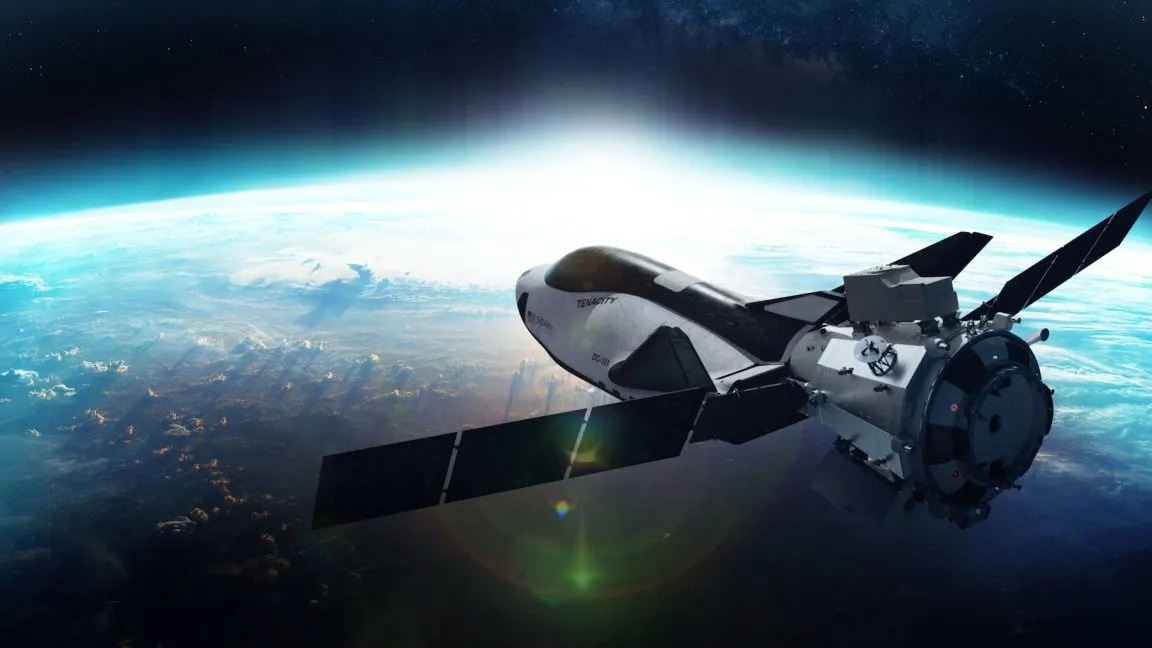
For the Dream Chaser spaceplane, a vehicle in development for twenty years, the path to its inaugural mission has encountered another significant detour. NASA has officially confirmed that the spacecraft’s first flight will not include docking with the International Space Station. Instead, the agency has decided that a free-flight demonstration is the most prudent next step for the program.
Dana Weigel, manager of NASA’s International Space Station Program, explained the reasoning behind the shift. She noted that creating new space transportation systems is inherently challenging and often takes more time than initially projected. This mutual agreement allows for continued testing of Dream Chaser, ensuring its capabilities are fully verified for future resupply missions in low Earth orbit, especially as planning for the station’s deorbit in 2030 advances.
The journey for this winged spacecraft has been long and complex. Its origins trace back to 2004, when a company called SpaceDev revived a NASA concept known as the HL-20 spaceplane. After Sierra Nevada Corporation acquired SpaceDev in 2008, it secured substantial NASA funding, totaling $362 million, to develop a crewed version intended for space station transportation.
Although Sierra Nevada was not selected for the final Commercial Crew program, losing out to Boeing and SpaceX, a cargo variant of the Dream Chaser found a new opportunity. In 2016, it was incorporated into NASA’s Commercial Resupply Services program, earning a contract for a minimum of seven cargo delivery flights to the orbiting laboratory. This was part of a massive, multi-company contract valued at $14 billion, which also included SpaceX and Northrop Grumman for dozens of supply missions. A NASA spokesperson recently declined to disclose the specific amount of funding allocated to Sierra Space for the cargo Dream Chaser’s development.
(Source: Ars Technica)